
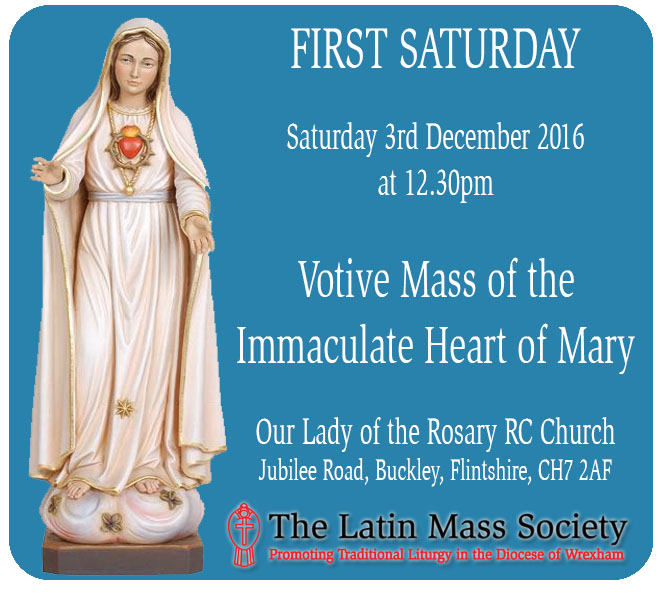
|
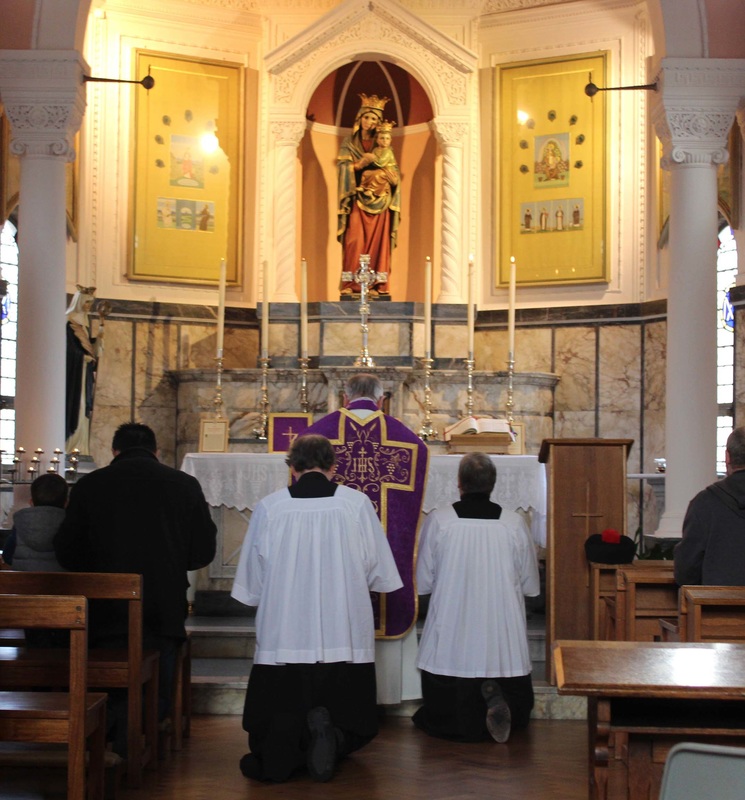
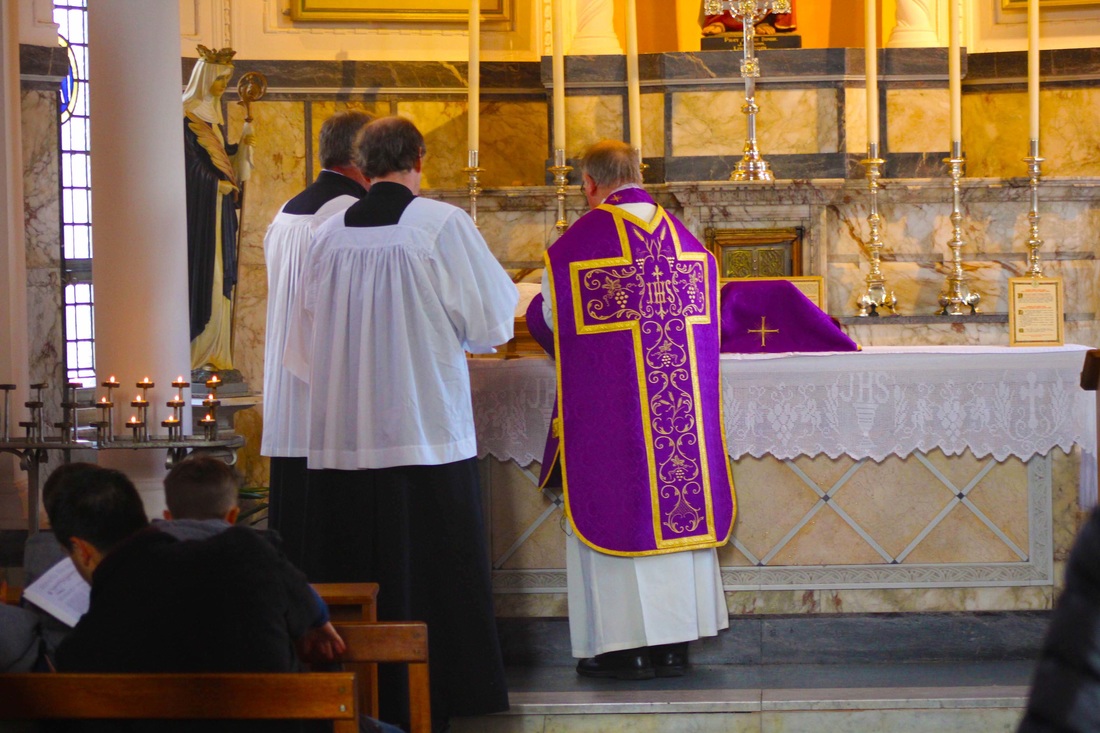
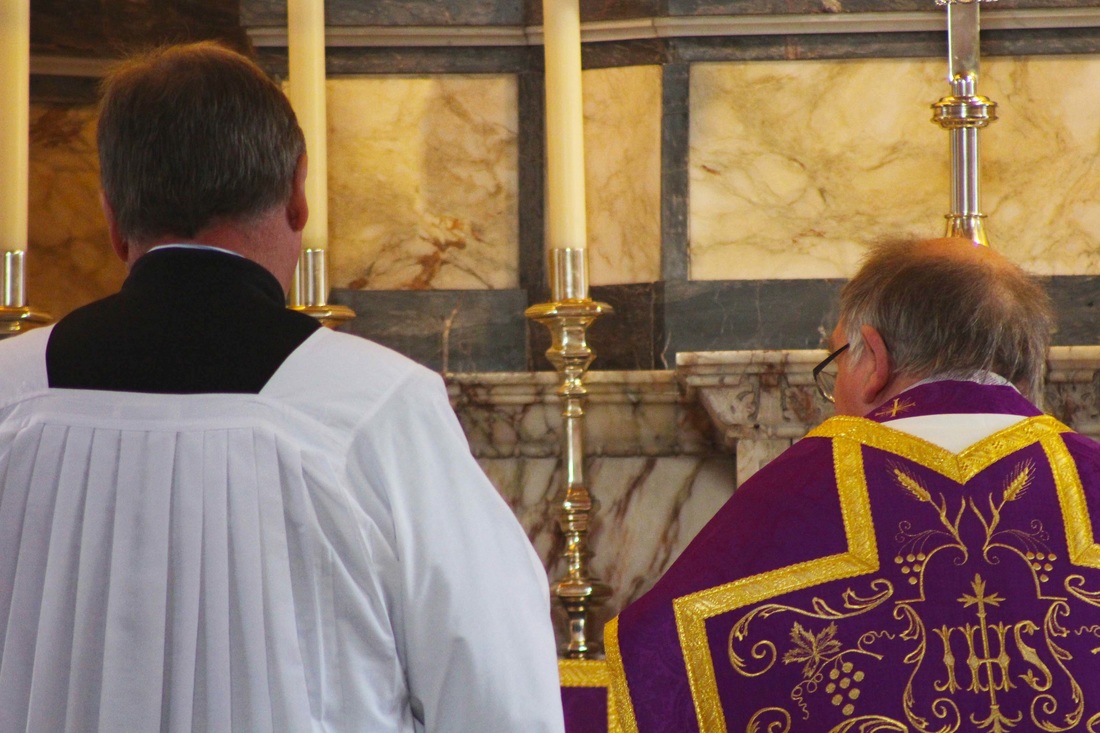
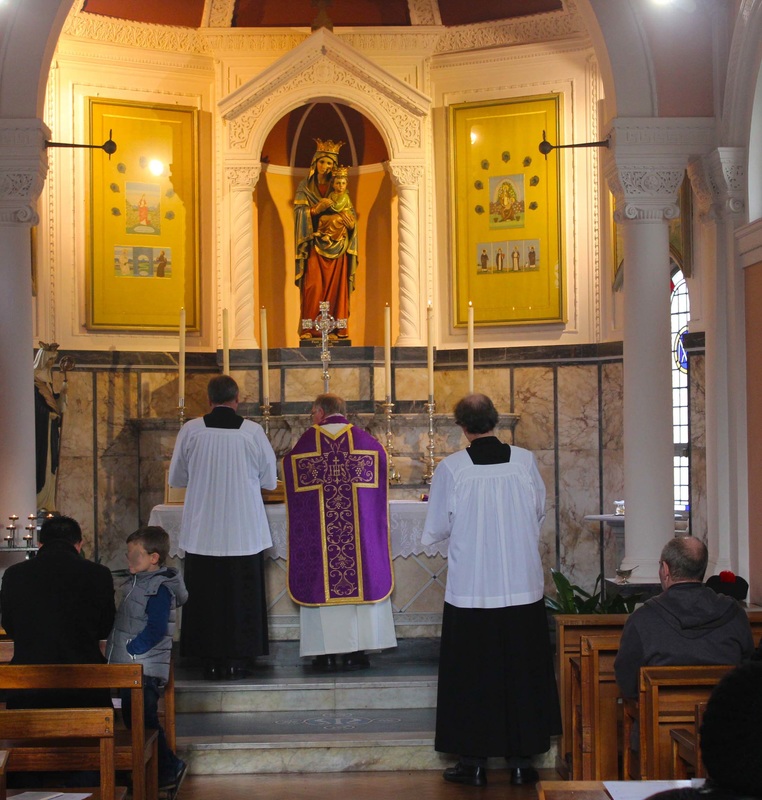
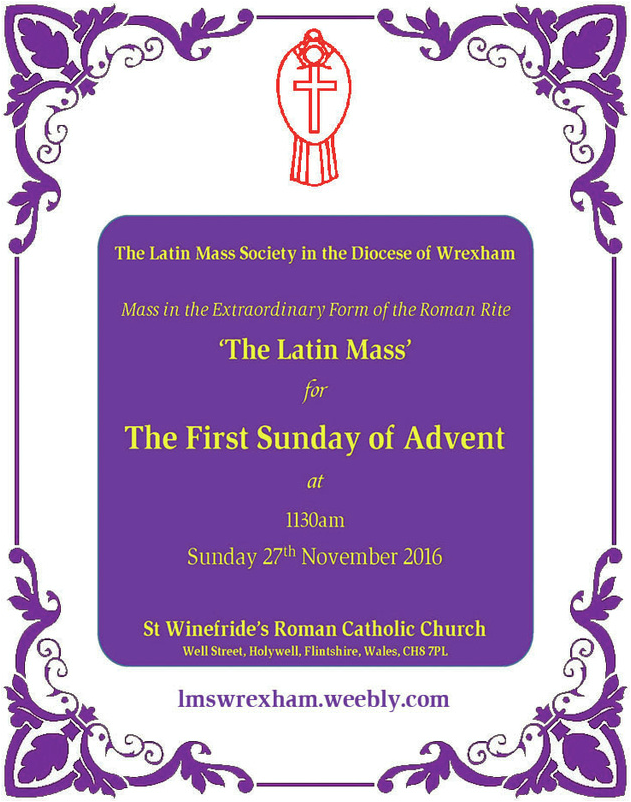
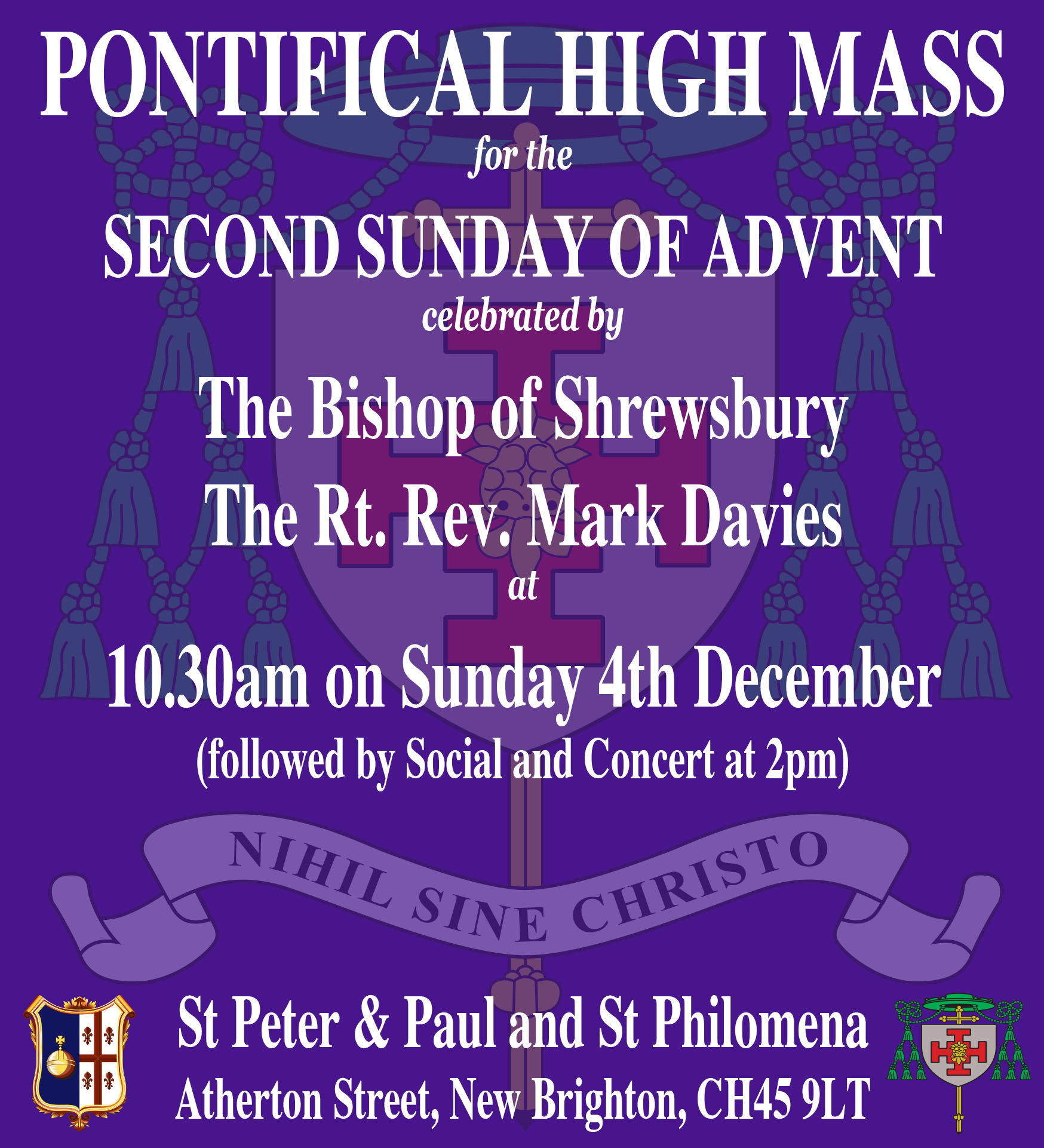
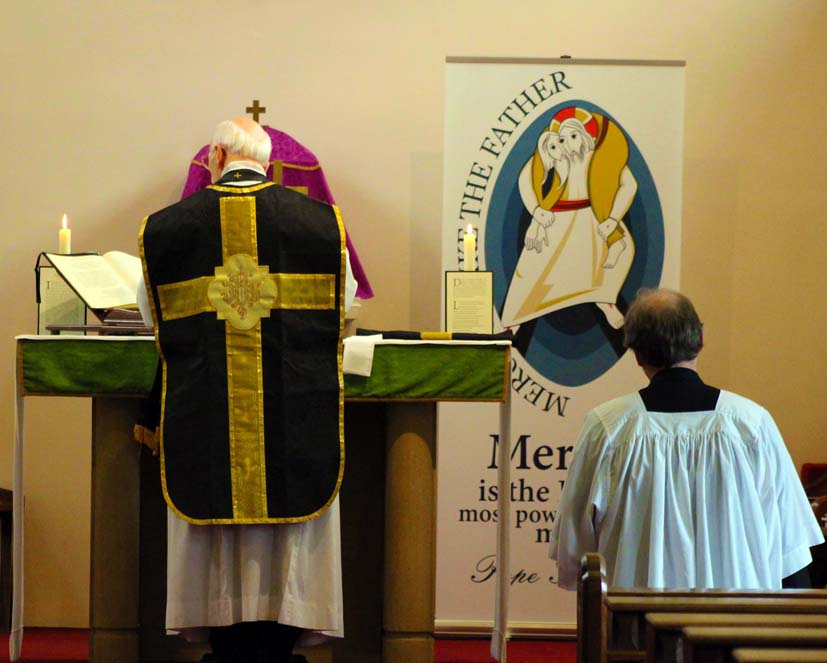
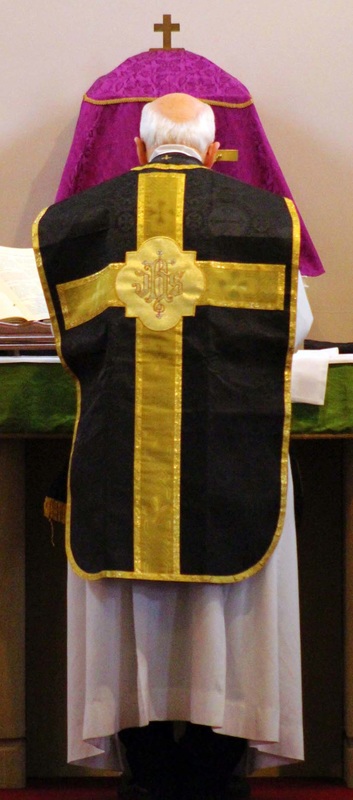
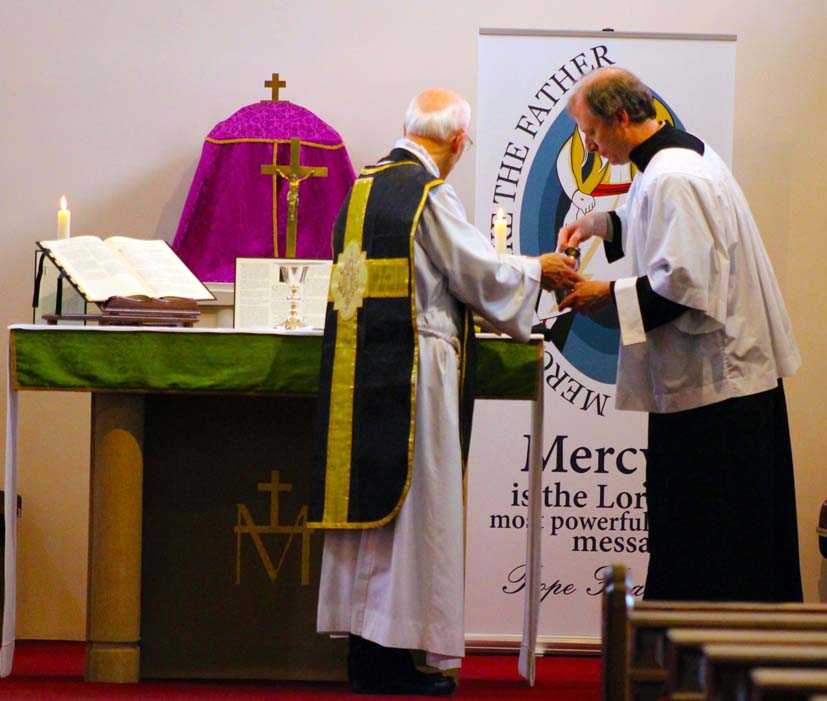
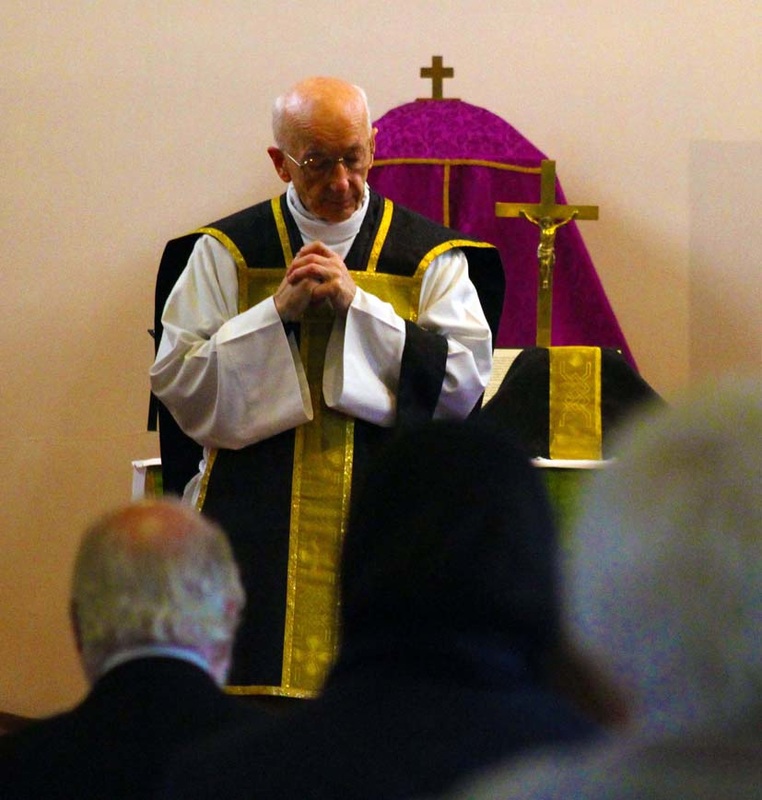
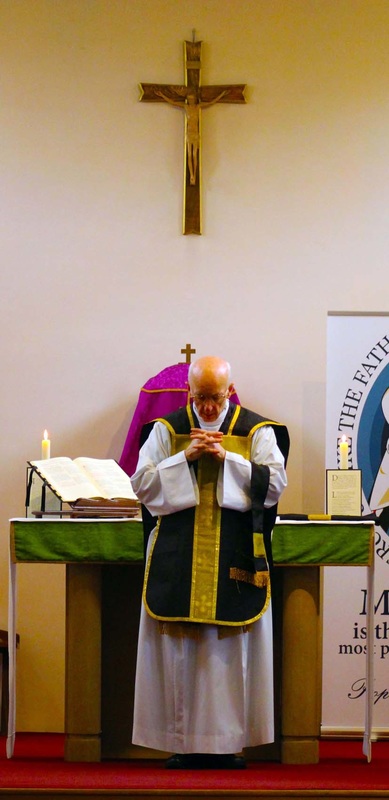
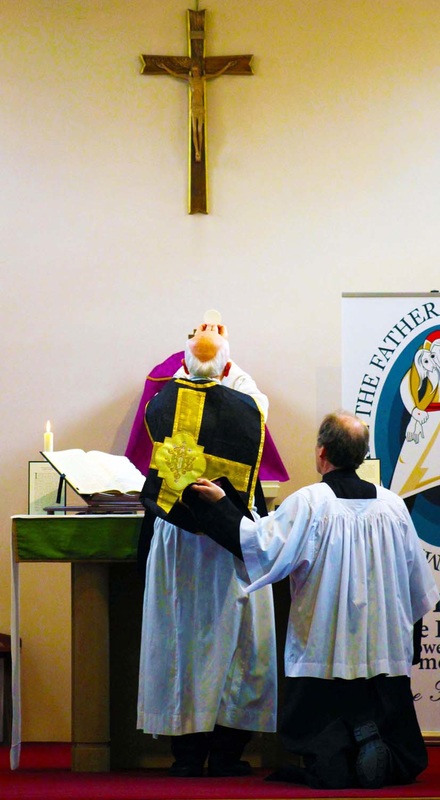
I'm grateful to the cantors, servers and of course Canon Francis Doyle, our celebrant at the 4th Sunday Mass [Missa Cantata] at Holywell which took place this morning. Below are some photographs of the Mass. Mass for the First Sunday of Advent will be celebrated on Sunday 27th November at St Winefride's, Well Street, Holywell at 1130am. 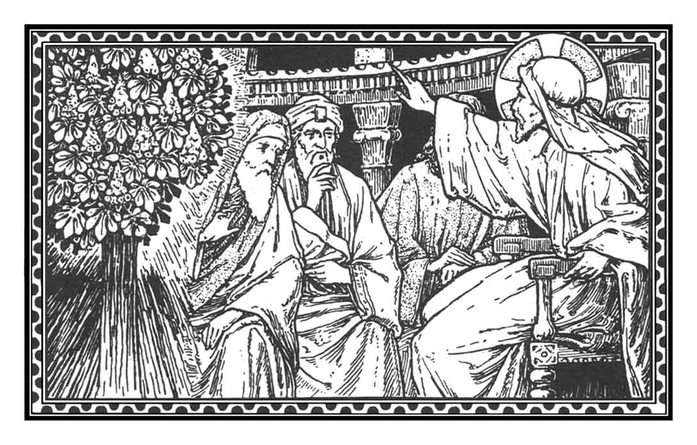 "See the fig tree and all the trees: when they now shoot forth their fruit you know that summer is nigh; so you also, when you shall see these things come to pass, know that the kingdom of God is at hand" The Lord is coming; I place myself in His presence and go to meet Him |



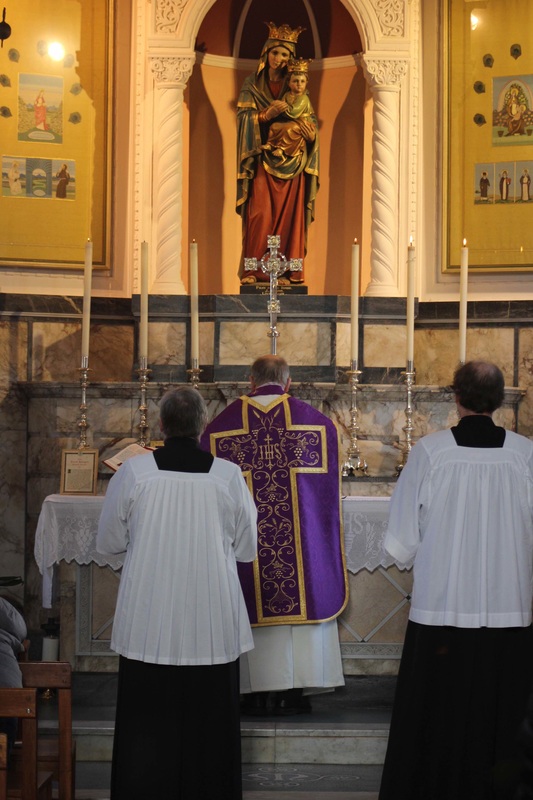
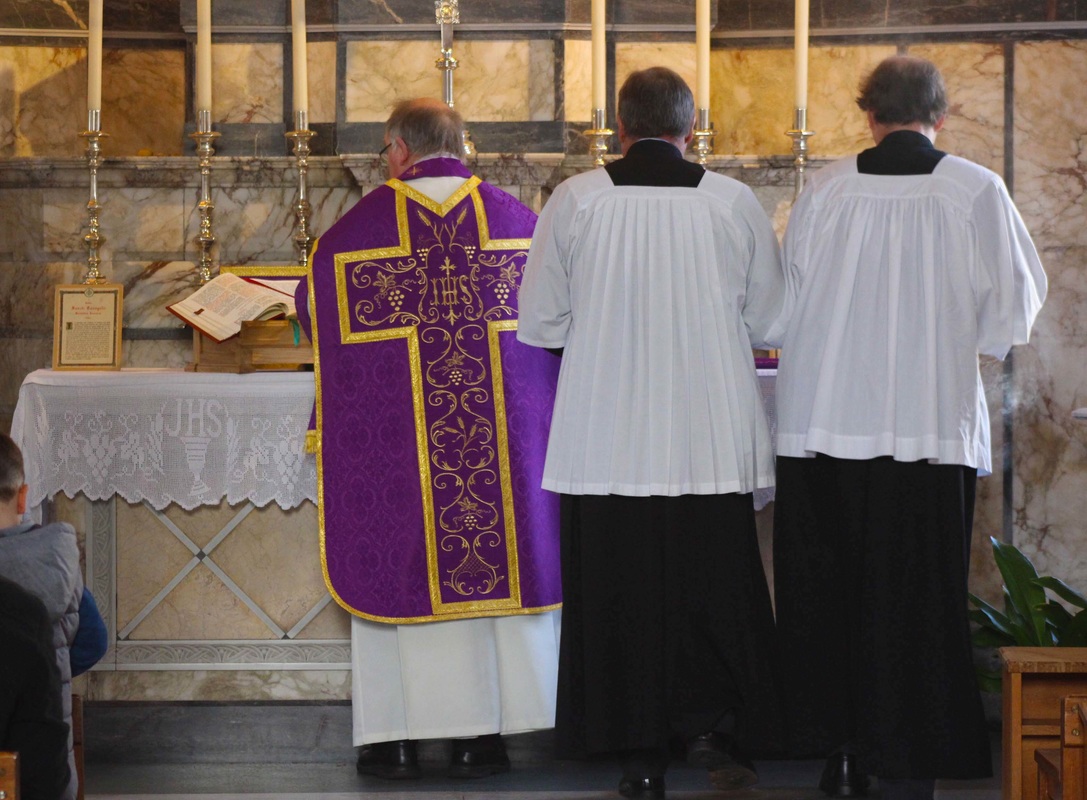
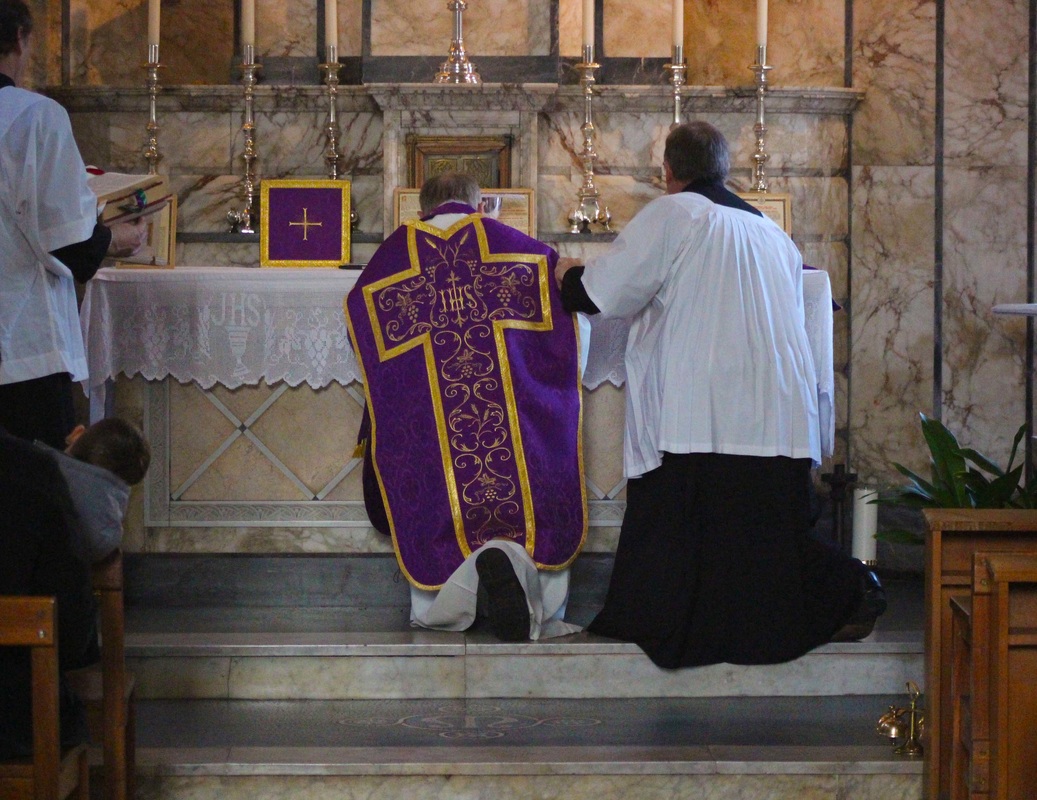

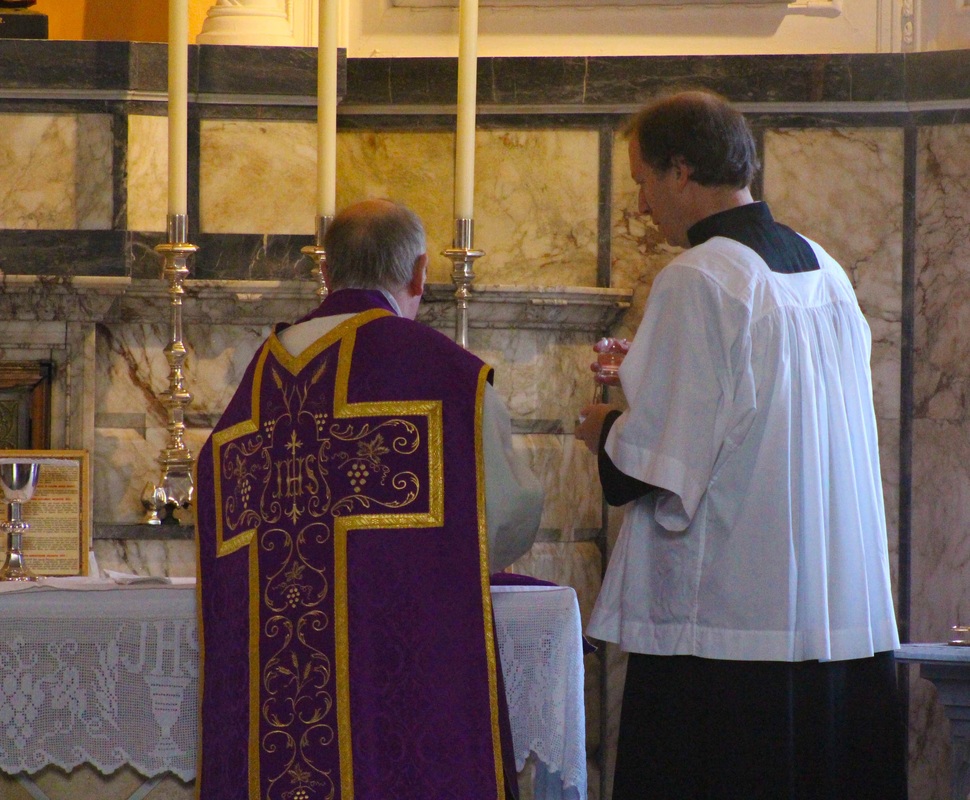
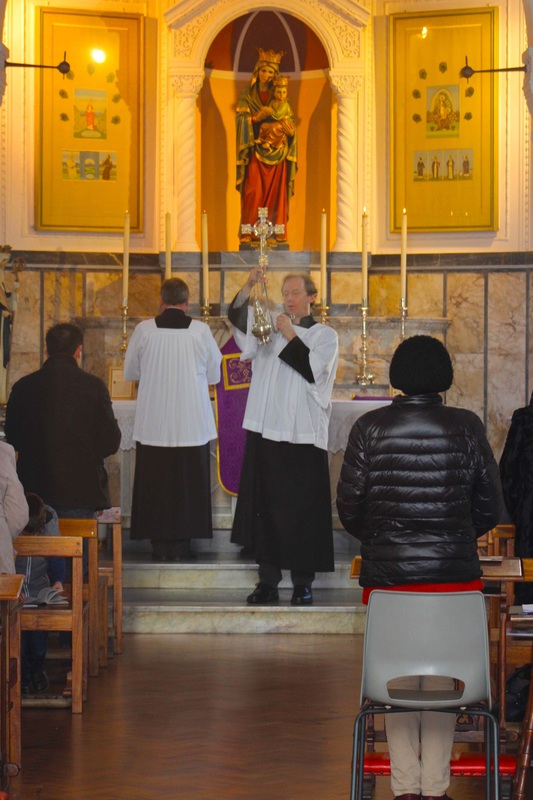
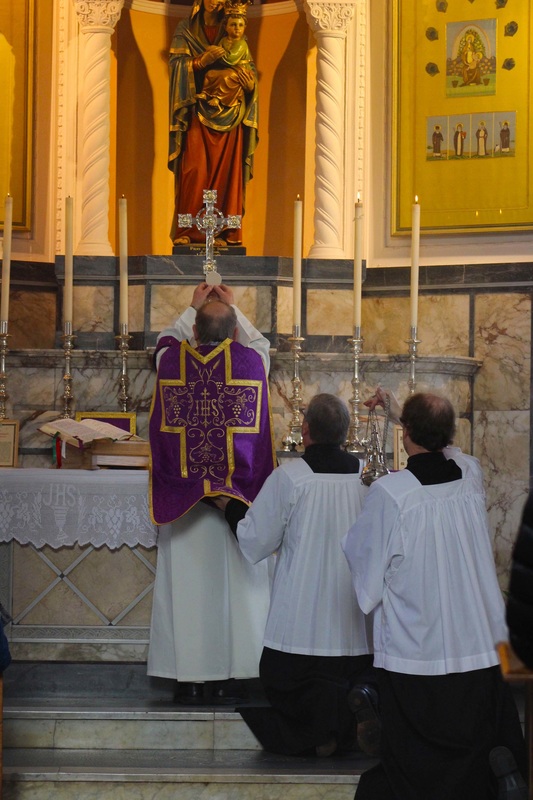
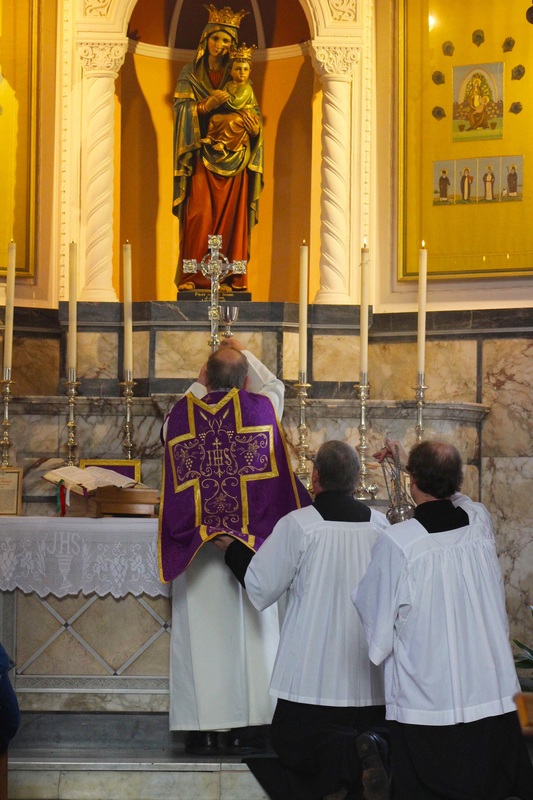
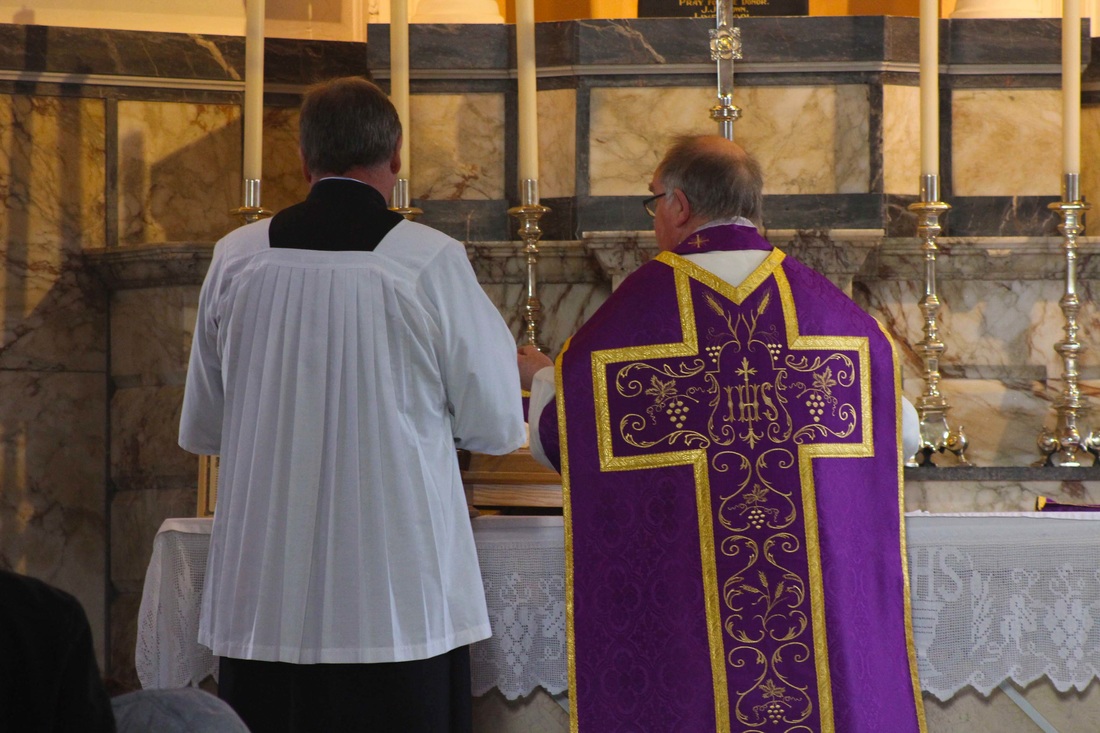
|


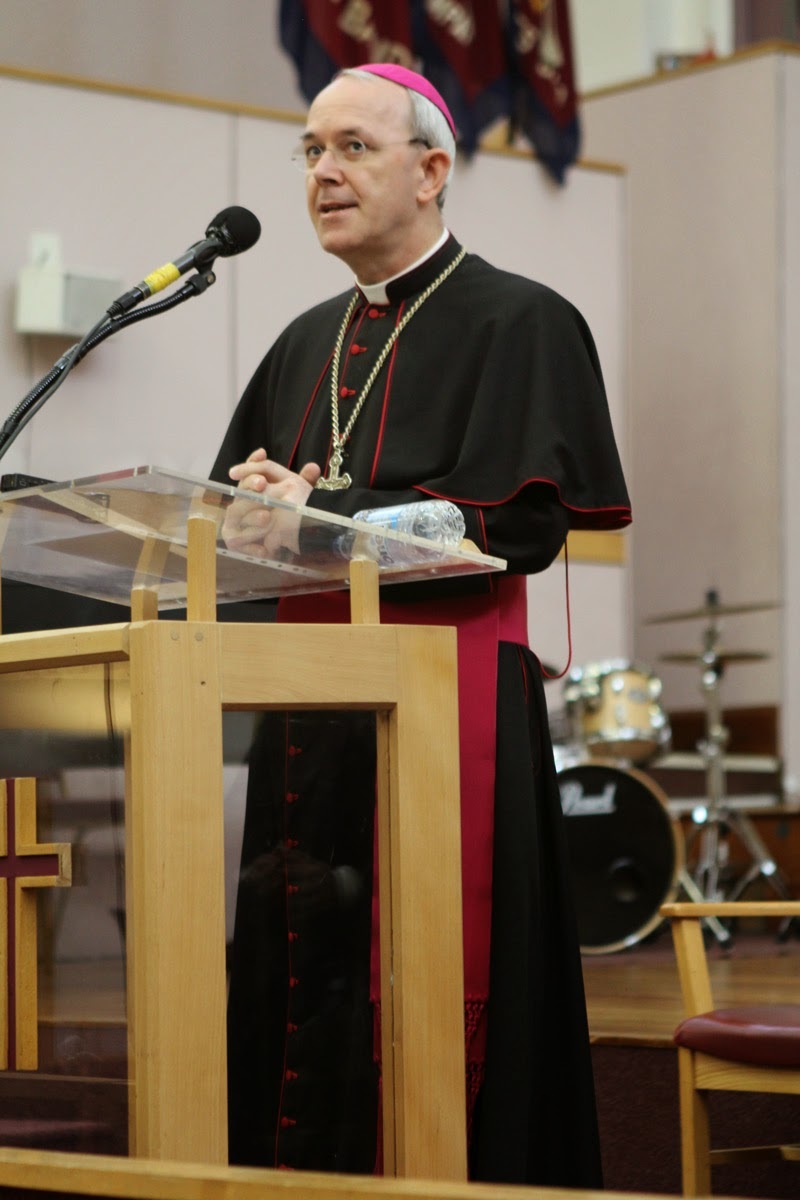
The closure of the Jubilee Year of Mercy has now taken place and tomorrow, an Apostolic Letter "Misericordia et Misera" will be published.
The rumour mill is now turning that the letter will contain something relating to the Society of Saint Pius X.
If the rumour becomes reality (and actually even if it turns out to be gossip), I can only say that this pontificate never fails to surprise, rather like a fairground roller coaster for Traditional Catholics. Pray and wait and see!
The rumour mill is now turning that the letter will contain something relating to the Society of Saint Pius X.
If the rumour becomes reality (and actually even if it turns out to be gossip), I can only say that this pontificate never fails to surprise, rather like a fairground roller coaster for Traditional Catholics. Pray and wait and see!
The number of the Sundays after Pentecost may exceed twenty-four and go up as far as twenty-eight, according as Easter is each year more or less near to the vernal equinox. But the Mass here given is always reserved for the last, and the intervening ones, whatever be their number, are taken from the Sundays after Epiphany, which in that case were not used at the beginning of the year. This however does not apply to the Introit, Gradual, Offertory and Communion verse, which as we have already said, are repeated from the 23rd Sunday.
We have seen how that Mass of the 23rd Sunday was regarded by our forefathers as really the last of the Cycle. According to the teaching we have already pondered over, the reconciliation of Juda was shown us as being, in time, the term intended by God: the last notes of the Sacred Liturgy blended with the last scene of the world’s history, as seen and known by God. The end proposed by Eternal Wisdom in the world’s creation, and mercifully continued after the Fall by the Mystery of Redemption, has now (we speak of the Church’s Year and God’s workings) been fully carried out—this end was no other than that of divine union with human nature, making it one in the unity of one only body (Eph. 2: 16). Now that the two antagonist-peoples, Gentile and Jew, are brought together in the one same New Man in Christ Jesus their Head (Ibid. 15), the Two Testaments, which so strongly marked the distinction between the ages of time, the one called the Old, the other the New—yes, these Two Testaments fade away, and give place to the glory of the Eternal Alliance.
It was here therefore, that Holy Mother Church formerly finished Her Liturgical Year. She was delighted with all She had done during all the past months; that is, at having led Her children, not only to have a thorough appreciation of the divine plan, which She had developed before them in Her celebrations—but moreover, and more especially, to unite them, by a veritable Union, to their Jesus, by a real communion of views, and interests, and loves. On this account She used not to revert again to the Second Coming of the God-Man and the Last Judgment—two great subjects which She had proposed for Her children's reflections, at the commencement of the Purgative Life, that is, Her Season of Advent. It is only since a few centuries that, with a view of giving to Her Liturgical Year a conclusion more defined and intelligible to the faithful of these more recent times, She closes the Cycle with the prophetic description of the dread Second Coming of Her Lord, which is to put an end to time and open eternity.
“Come, ye blessed of My Father, Possess the kingdom prepared for you….” Mt. 35:40
In his book of meditations on the liturgy, Divine Intimacy, Fr. Gabriel of St. Magdalen, OCD. comments: “The Mass for today, the last Sunday of the liturgical year is a prayer of thanksgiving for the year that is ending and one of propriation for that which is about to begin; it is a reminder that the present life is fleeting, and an invitation to keep ourselves in readiness for the final step which will usher us into eternity….With the description of the end of the world and the coming of Christ to judge the living and the dead, the Gospel (Mt. 24:15-35) reminds us that just as the liturgical year comes to an end, so does the life of man on earth. Everything will have an end, and at the end of all, will come the majestic epilogue: “Then shall appear the sign of the Son of Man in heaven [the Cross]: and then shall all tribes of the earth mourn; and they shall see the Son of Man coming in the clouds of heaven with much power and majesty.” (Mt. 24:30) In today’s Epistle (Col. 1:9-14), St. Paul shows us how we can be assured of a place in the heavenly kingdom at the end of the world if we live according to God’s will: “We … cease not to pray for you and to beg that you may be filled with the knowledge of His will … that you may walk worthy of God, in all things pleasing; being fruitful in every good work,” Col. 1:9-10
Eternal Glory in Heaven
Fr. Gabriel tells us about the importance of today’s Epistle for the attainment of eternal glory in heaven: “This is a beautiful synthesis of the task which the interior soul has endeavoured to accomplish during the whole year: to adapt and conform itself to God’s holy will, to unite itself to it completely, and, being moved in all things by that divine will alone, to act in such a manner as to please Our Lord in everything. God be praised if, thanks to His help, we have succeeded in advancing some steps along the road which most surely leads to holiness. Making our own the sentiments of the Apostle, we should give thanks to “the Father who hath made us worthy to be partakers of the lot of the saints in light.” (Col 1:12) The lot, the inheritance of the saints, of those who tend toward holiness, is union of love with God– here below in faith, hereafter in glory. This heritage is ours because Jesus merited it for us by His Blood, and because in Jesus “we have redemption, the remission of sins” (Col. 1:14); thus, cleansed from sin and clothed in grace by His infinite merits, we also can ascend to that very lofty and blessed state of union with God.”
We have seen how that Mass of the 23rd Sunday was regarded by our forefathers as really the last of the Cycle. According to the teaching we have already pondered over, the reconciliation of Juda was shown us as being, in time, the term intended by God: the last notes of the Sacred Liturgy blended with the last scene of the world’s history, as seen and known by God. The end proposed by Eternal Wisdom in the world’s creation, and mercifully continued after the Fall by the Mystery of Redemption, has now (we speak of the Church’s Year and God’s workings) been fully carried out—this end was no other than that of divine union with human nature, making it one in the unity of one only body (Eph. 2: 16). Now that the two antagonist-peoples, Gentile and Jew, are brought together in the one same New Man in Christ Jesus their Head (Ibid. 15), the Two Testaments, which so strongly marked the distinction between the ages of time, the one called the Old, the other the New—yes, these Two Testaments fade away, and give place to the glory of the Eternal Alliance.
It was here therefore, that Holy Mother Church formerly finished Her Liturgical Year. She was delighted with all She had done during all the past months; that is, at having led Her children, not only to have a thorough appreciation of the divine plan, which She had developed before them in Her celebrations—but moreover, and more especially, to unite them, by a veritable Union, to their Jesus, by a real communion of views, and interests, and loves. On this account She used not to revert again to the Second Coming of the God-Man and the Last Judgment—two great subjects which She had proposed for Her children's reflections, at the commencement of the Purgative Life, that is, Her Season of Advent. It is only since a few centuries that, with a view of giving to Her Liturgical Year a conclusion more defined and intelligible to the faithful of these more recent times, She closes the Cycle with the prophetic description of the dread Second Coming of Her Lord, which is to put an end to time and open eternity.
“Come, ye blessed of My Father, Possess the kingdom prepared for you….” Mt. 35:40
In his book of meditations on the liturgy, Divine Intimacy, Fr. Gabriel of St. Magdalen, OCD. comments: “The Mass for today, the last Sunday of the liturgical year is a prayer of thanksgiving for the year that is ending and one of propriation for that which is about to begin; it is a reminder that the present life is fleeting, and an invitation to keep ourselves in readiness for the final step which will usher us into eternity….With the description of the end of the world and the coming of Christ to judge the living and the dead, the Gospel (Mt. 24:15-35) reminds us that just as the liturgical year comes to an end, so does the life of man on earth. Everything will have an end, and at the end of all, will come the majestic epilogue: “Then shall appear the sign of the Son of Man in heaven [the Cross]: and then shall all tribes of the earth mourn; and they shall see the Son of Man coming in the clouds of heaven with much power and majesty.” (Mt. 24:30) In today’s Epistle (Col. 1:9-14), St. Paul shows us how we can be assured of a place in the heavenly kingdom at the end of the world if we live according to God’s will: “We … cease not to pray for you and to beg that you may be filled with the knowledge of His will … that you may walk worthy of God, in all things pleasing; being fruitful in every good work,” Col. 1:9-10
Eternal Glory in Heaven
Fr. Gabriel tells us about the importance of today’s Epistle for the attainment of eternal glory in heaven: “This is a beautiful synthesis of the task which the interior soul has endeavoured to accomplish during the whole year: to adapt and conform itself to God’s holy will, to unite itself to it completely, and, being moved in all things by that divine will alone, to act in such a manner as to please Our Lord in everything. God be praised if, thanks to His help, we have succeeded in advancing some steps along the road which most surely leads to holiness. Making our own the sentiments of the Apostle, we should give thanks to “the Father who hath made us worthy to be partakers of the lot of the saints in light.” (Col 1:12) The lot, the inheritance of the saints, of those who tend toward holiness, is union of love with God– here below in faith, hereafter in glory. This heritage is ours because Jesus merited it for us by His Blood, and because in Jesus “we have redemption, the remission of sins” (Col. 1:14); thus, cleansed from sin and clothed in grace by His infinite merits, we also can ascend to that very lofty and blessed state of union with God.”
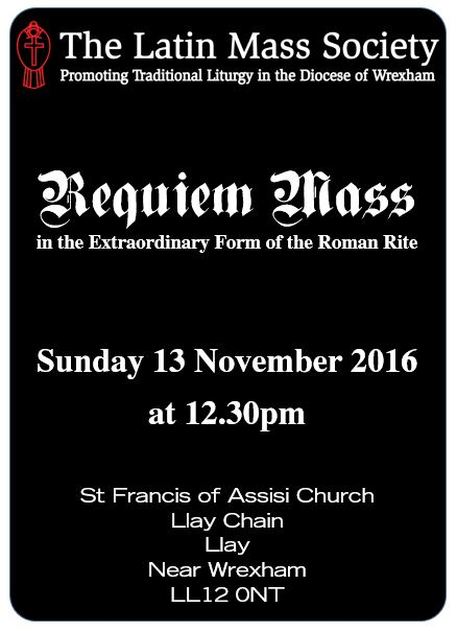
A few photographs of our Requiem Low Mass held today at St Francis of Assisi, Llay.
I believe the ability to have a Requiem for the dead of the two World Wars is unique to England & Wales. It is not mandatory, the remaining Sunday after Epiphany may be celebrated but it is a poignant day and the Holy Sacrifice of the Mass is the most fitting way of marking those who fell for our freedom. It also fits nicely with month of November and our remembering of the Holy Souls.
Of course this does not occur in the Novus Ordo Mass, whilst there will have been references to the Remembrance Sunday at most Masses in the New Rite, the ability for Requiem Mass is not there.
I am obliged to Canon Bernard Lordan for his continuing support for the Traditional Mass.
I believe the ability to have a Requiem for the dead of the two World Wars is unique to England & Wales. It is not mandatory, the remaining Sunday after Epiphany may be celebrated but it is a poignant day and the Holy Sacrifice of the Mass is the most fitting way of marking those who fell for our freedom. It also fits nicely with month of November and our remembering of the Holy Souls.
Of course this does not occur in the Novus Ordo Mass, whilst there will have been references to the Remembrance Sunday at most Masses in the New Rite, the ability for Requiem Mass is not there.
I am obliged to Canon Bernard Lordan for his continuing support for the Traditional Mass.




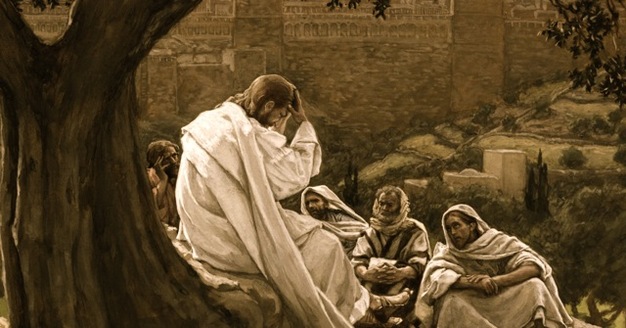
I will utter things hidden from the foundations of the world.
Jesus came to found a universal Church and to unite Himself with the individual soul. The Gospel is a “leaven” of Divinity hiding in the “three measures” of our intellect, will and body until our “whole” humanity is leavened.
Like the tiny mustard seed becoming a large tree of shelter for the birds of the air, the Church, from humble beginnings in the Catacombs, has stretched out to undiscovered ends of foreign missions, her divine culture transforming or overcoming all human culture throughout nineteen centuries.
The Epistle first describes the interior life of faith, hope and charity in the souls of the first lay converts to Christ, and then proceeds to describe their Christian Action in propagating the Faith, so that they “were a pattern” to all, and their neighbours ‘in Macedonia and Achaia” like “birds of the air” came and “dwelt in the branches” of the Church.
[Although our 2nd Sunday Mass at Llay will be a Requiem for Remembrance Sunday, the above reflects that the Sunday is the XXVI Sunday After Pentecost: VI After Epiphany].
Like the tiny mustard seed becoming a large tree of shelter for the birds of the air, the Church, from humble beginnings in the Catacombs, has stretched out to undiscovered ends of foreign missions, her divine culture transforming or overcoming all human culture throughout nineteen centuries.
The Epistle first describes the interior life of faith, hope and charity in the souls of the first lay converts to Christ, and then proceeds to describe their Christian Action in propagating the Faith, so that they “were a pattern” to all, and their neighbours ‘in Macedonia and Achaia” like “birds of the air” came and “dwelt in the branches” of the Church.
[Although our 2nd Sunday Mass at Llay will be a Requiem for Remembrance Sunday, the above reflects that the Sunday is the XXVI Sunday After Pentecost: VI After Epiphany].
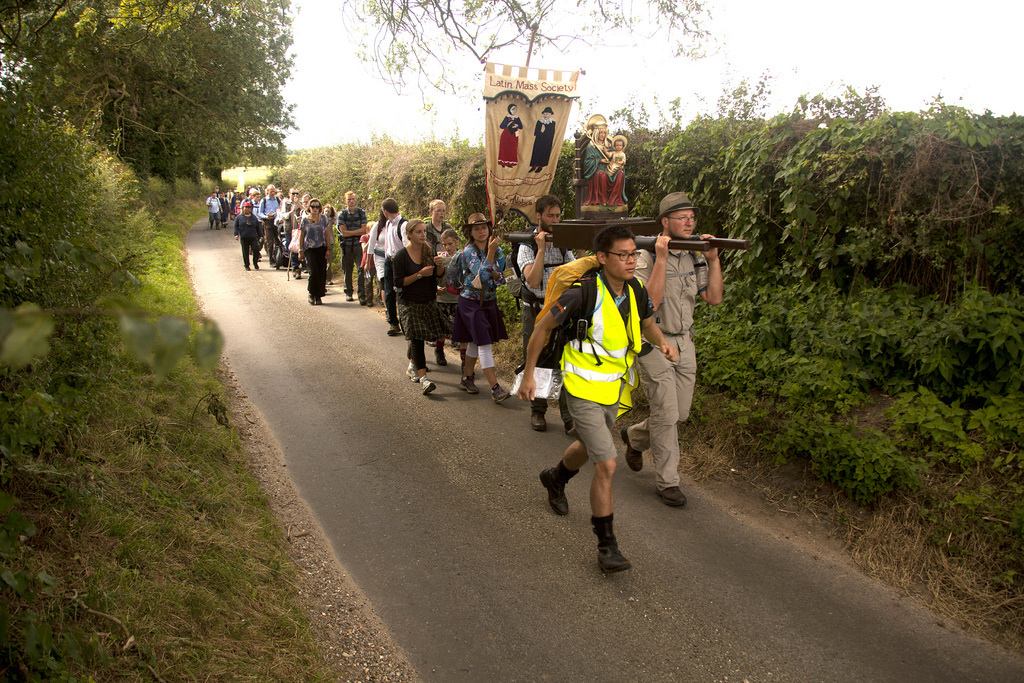
Not rigid, just devoted followers of Jesus Christ
Today a large number of young people were confirmed using the Traditional Rite at Spanish Place in London. I thought it timely that this article should surface at Lifesite....
In a new interview, Pope Francis criticized the "rigidity" of young people who are attached to the Traditional Latin Mass.
"I always try to understand what's behind people who are too young to have experienced the pre-conciliar liturgy and yet still they want it," the pontiff said. "Sometimes I found myself confronted with a very strict person, with an attitude of rigidity. And I ask myself: Why so much rigidity? Dig, dig, this rigidity always hides something, insecurity or even something else. Rigidity is defensive. True love is not rigid."
Pope Francis frequently criticizes faithful Catholics using this type of rhetoric. He has blasted the "excessive rigidity" of Catholics who believe in moral absolutes.
“Traditionalists” with their “hostile inflexibility,” fail to allow themselves to be “surprised by God,” he said in 2014.
In the same interview, Pope Francis said Vatican II's major liturgical changes "should carry on as they are."
"To speak of the 'reform of the reform' is a mistake," he said.
The "reform of the reform" is an expression inspired by Pope Benedict XVI to refer to a reform of the post-Vatican II liturgy that would make it more closely aligned with Catholic liturgical tradition.
Following the Second Vatican Council, it was widely and errantly believed that the Old Rite of the Mass had been abolished or forbidden. In his motu proprio Summorum Pontificum, Pope Emeritus Benedict XVI clarified that both the Ordinary Form (post-Vatican II Mass) and Extraordinary Form (Mass according to the 1962 missal) of the liturgy are permitted and "there is no contradiction between the two editions of the Roman Missal."
"In the history of the liturgy there is growth and progress, but no rupture," Pope Benedict wrote. "What earlier generations held as sacred, remains sacred and great for us too, and it cannot be all of a sudden entirely forbidden or even considered harmful."
The annual Blessed Karl Mass is widely attended by young Catholics in the eastern United States.
In the new interview, however, Francis describes Benedict's actions as an "exception" that was "magnanimous."
Pope Benedict extended a "fair and magnanimous gesture to meet a certain mentality of some groups and people who had nostalgia. ... But it is an exception," Pope Francis said.
In an essay on why she likes the Traditional Latin Mass, teenaged Anya Proctor wrote that she was driven to it by "weird" homilies about "other religions, the gospel of Judas, funny stories in the newspaper, irrelevant anecdotes, and even blatant heresies" and "a priest using props on the altar to demonstrate his homily—as if we were all five-year-olds."
At the Traditional Latin Mass, "I came to know God," Proctor continued. "I got to fully experience Christ Incarnate in flesh and blood, on my knees, deep in silence and prayer — to meditate on his union with me as he was placed reverently on my tongue by his holy servant. I closed my eyes when I received Jesus. I felt physically, spiritually, and emotionally transformed. Many times in the Cathedral, tears have come to me as I have prayed and focused on Jesus’s love and sacrifice for me."
"Mass is not intended to celebrate people," Proctor wrote. "That’s for luncheons, birthday parties, and maybe youth groups—but not Mass. The Mass is for the Lord. The Mass is where the priest is so reverent he faces the Lord, not the people, so that they don’t focus on him, but only on Christ."
Juventutem ("youth" in Latin), an international federation of young people who attend and promote the Extraordinary Form of the Mass, has chapters around the world.
"We are a group of Catholic young adults who seek to implement Summorum Pontificum in the Archdiocese of Washington," Juventutem's Washington, DC chapter explains. "We love the traditional Roman liturgy and seek to share it with the Church and the world. Come pray with us!"
Juventutem's Boston chapter "promotes the sanctification of youth by means of the traditions of the Catholic Church, faithful to the Church’s teaching and her authorities, and in spiritual union with those young people throughout the world who share our aspirations...Juventutem Boston also dedicates itself to an intercessory apostolate, praying with and for our Bishops and Priests in union with His Holiness Pope Francis."
Six hundred young adults attended traditional liturgies at World Youth Day this year.
In a new interview, Pope Francis criticized the "rigidity" of young people who are attached to the Traditional Latin Mass.
"I always try to understand what's behind people who are too young to have experienced the pre-conciliar liturgy and yet still they want it," the pontiff said. "Sometimes I found myself confronted with a very strict person, with an attitude of rigidity. And I ask myself: Why so much rigidity? Dig, dig, this rigidity always hides something, insecurity or even something else. Rigidity is defensive. True love is not rigid."
Pope Francis frequently criticizes faithful Catholics using this type of rhetoric. He has blasted the "excessive rigidity" of Catholics who believe in moral absolutes.
“Traditionalists” with their “hostile inflexibility,” fail to allow themselves to be “surprised by God,” he said in 2014.
In the same interview, Pope Francis said Vatican II's major liturgical changes "should carry on as they are."
"To speak of the 'reform of the reform' is a mistake," he said.
The "reform of the reform" is an expression inspired by Pope Benedict XVI to refer to a reform of the post-Vatican II liturgy that would make it more closely aligned with Catholic liturgical tradition.
Following the Second Vatican Council, it was widely and errantly believed that the Old Rite of the Mass had been abolished or forbidden. In his motu proprio Summorum Pontificum, Pope Emeritus Benedict XVI clarified that both the Ordinary Form (post-Vatican II Mass) and Extraordinary Form (Mass according to the 1962 missal) of the liturgy are permitted and "there is no contradiction between the two editions of the Roman Missal."
"In the history of the liturgy there is growth and progress, but no rupture," Pope Benedict wrote. "What earlier generations held as sacred, remains sacred and great for us too, and it cannot be all of a sudden entirely forbidden or even considered harmful."
The annual Blessed Karl Mass is widely attended by young Catholics in the eastern United States.
In the new interview, however, Francis describes Benedict's actions as an "exception" that was "magnanimous."
Pope Benedict extended a "fair and magnanimous gesture to meet a certain mentality of some groups and people who had nostalgia. ... But it is an exception," Pope Francis said.
In an essay on why she likes the Traditional Latin Mass, teenaged Anya Proctor wrote that she was driven to it by "weird" homilies about "other religions, the gospel of Judas, funny stories in the newspaper, irrelevant anecdotes, and even blatant heresies" and "a priest using props on the altar to demonstrate his homily—as if we were all five-year-olds."
At the Traditional Latin Mass, "I came to know God," Proctor continued. "I got to fully experience Christ Incarnate in flesh and blood, on my knees, deep in silence and prayer — to meditate on his union with me as he was placed reverently on my tongue by his holy servant. I closed my eyes when I received Jesus. I felt physically, spiritually, and emotionally transformed. Many times in the Cathedral, tears have come to me as I have prayed and focused on Jesus’s love and sacrifice for me."
"Mass is not intended to celebrate people," Proctor wrote. "That’s for luncheons, birthday parties, and maybe youth groups—but not Mass. The Mass is for the Lord. The Mass is where the priest is so reverent he faces the Lord, not the people, so that they don’t focus on him, but only on Christ."
Juventutem ("youth" in Latin), an international federation of young people who attend and promote the Extraordinary Form of the Mass, has chapters around the world.
"We are a group of Catholic young adults who seek to implement Summorum Pontificum in the Archdiocese of Washington," Juventutem's Washington, DC chapter explains. "We love the traditional Roman liturgy and seek to share it with the Church and the world. Come pray with us!"
Juventutem's Boston chapter "promotes the sanctification of youth by means of the traditions of the Catholic Church, faithful to the Church’s teaching and her authorities, and in spiritual union with those young people throughout the world who share our aspirations...Juventutem Boston also dedicates itself to an intercessory apostolate, praying with and for our Bishops and Priests in union with His Holiness Pope Francis."
Six hundred young adults attended traditional liturgies at World Youth Day this year.
Father John Hunwicke provides his own comment on the comments of the Holy Father here.
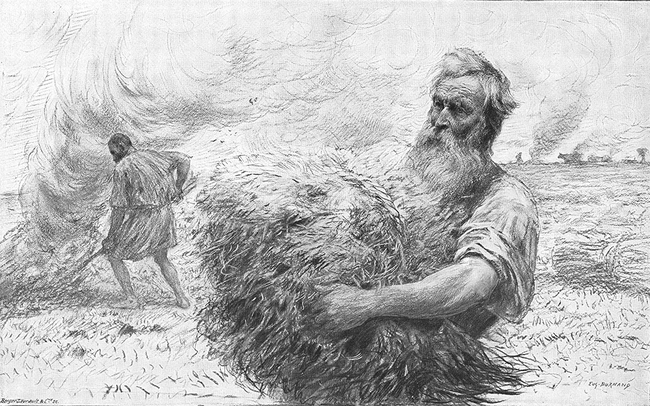
While men were asleep, his enemy came and oversowed cockle among the wheat.
On this Sunday mention is made of the practice of Christian virtues, and of God's sufferance of the wicked upon earth, that by them the just may be exercised in patience. It is the time of the liturgical year when due to the variable date of Easter, Masses or rather readings not said before Septuagesima are used to fill the weeks before Advent.
Put ye on therefore, as the elect of God, holy and beloved, the bowels of mercy, benignity, humility, modesty, patience: bearing with one another and forgiving one another...” Col. 3: 12-3
Today’s liturgy highlights the importance of charity in an evil and corrupt world. In the Epistle (Colossians 3:12-17), St. Paul reminds us that “charity is the bond of perfection.” Col. 3:14 If we do not have the virtue of charity, we will not enter the kingdom of heaven. In the Gospel (Matthew 13: 24-30), Jesus gives us the parable of the “Wheat and the Cockle” to illustrate in simple language a profound teaching about the existence of evil in the world: “The kingdom of heaven is likened to a man that sowed good seed in his field. But while men were asleep, his enemy came and oversowed cockle among the wheat and went his way.” Mt. 3:24 From this brief description, we can see how God created all things good, but the devil sowed evil into the hearts of men to cause them to sin. When the man who owns the field is asked by his servants if the cockle should be removed, he says, “No, lest perhaps gathering up the cockle, you root up the wheat also together with it. Suffer both to grow until the harvest, and in time of harvest I will say to the reapers: Gather up first the cockle, and bind it into bundles to burn, but the wheat gather ye into my barn.” Mt. 13:29-30 ) The meaning of the parable is clear: God will allow both good and evil to co-exist in life for a time, but then He will separate the good from the evil and save the good and destroy the evildoers in the fire of hell. What is most important about this parable is that it gives us several reasons for the existence of evil in the world. It also shows how God will always bring good out any evil that men do (cf. Catechism of the Catholic Church #311); Christians will have the opportunity to practice charity which is needed to enter the kingdom of heaven and with their good example and prayers, Christians may even convert the wicked (cockle).
“Let the word of Christ dwell in you abundantly, in all wisdom: teaching and admonishing one another in psalms, hymns, and spiritual canticles, singing in grace in your hearts.” Col. 3:16
Dom Prosper Gueranger in his book, The Liturgical Year Vol. 4, comments on the need for living the Christian life, as St. Paul emphasizes in the Epistle, as true followers of Jesus Christ. “The Christian, trained as he has been in the school of the Man-God who deigned to dwell upon this earth, should ever show mercy towards his fellow-men. This world which has been purified by the presence of the Incarnate Word would become an abode of peace, if we were but to live in such manner as to merit the titles, given us by the apostle, of elect of God, holy and beloved. The peace here spoken of should, first of all, fill the heart of every Christian, and give it an uninterrupted joy, which would be ever pouring itself forth in singing the praises of God. But it is mainly on the Sundays, that the faithful, by taking part with the Church in her psalms, hymns and spiritual canticles, fulfil this duty so dear to their hearts. Let us, moreover, in our every-day life, practise the advice given us by the apostle, of doing all things in the name of our Lord Jesus Christ, in order that we may, in all things, find favour with our heavenly Father.” Gueranger, p. 95-6
“Charity... the bond of perfection...” Col. 3:14
Fr. Gabriel of St. Magdalen in his book of meditations, Divine Intimacy, reminds us of the practical means in today’s Epistle for us to show charity amidst human suffering and evil: “The Epistle for this Sunday recalls to our mind the fundamental duty of a Christian: charity.... ‘But above all these things,’ St. Paul recommends, ‘have charity, which is the bond of perfection’ (Col. 3: 14 ); not only love for God, but also for our neighbour. .... ‘Put ye on therefore, as the elect of God, holy and beloved, the bowels of mercy, benignity, humility, modesty, patience: bearing with one another and forgiving one another, if any have a complaint against another.’ (Col. 3: 12-3).... Consider the perfect love which the Apostle asks us to have for our neighbour: mercy, compassion, mutual forgiveness, and that love which leaves no room for divisions or dissensions, which overcomes strife and forgets offenses. This long-suffering charity which makes every sacrifice and overcomes all difficulties in order to be in harmony with all, because we all form ‘one body’ in Christ, because we are all children of the same heavenly father.” Fr. Gabriel, p. 203-4
Patient endurance of evil
Dom Gueranger comments on the existence of evil in the world and the need to overcome evil with charity in today’s Gospel by patient endurance of suffering and trust in God’s goodness. “The kingdom of heaven, here spoken of by our Lord, is the Church militant, the society of them that believe in Him. And yet, the field He has tilled with so much care is oversown with cockle; heresies have crept in, scandals have abounded; are we, on that account, to have misgiving about the foresight of the Master, who knows all things, and without whose permission nothing happens? Far from us be such a thought! He Himself tells us that these things must needs be. Man has been gifted with free-will; it is for him to choose between good and evil. Heresies, then, like weeds in the field, may spring up in the Church; but the day must come when they will be uprooted; some of them will wither on the parent stems, but the whole cockle shall be gathered into bundles to burn. Where are now the heresies that sprang up in the first ages of the Church? And in another hundred years, what will have become of the heresy, which, under the pretentious name of the ‘reformation,’ has caused incalculable evil? It is the same with scandals which rise up within the pale of the Church; they are a hard trial; but trials must come. The divine Husbandman wills not that this cockle be torn up, lest the wheat should suffer injury. First of all, the mixture of good and bad is an advantage; it teaches the good not to put their hopes in man, but in God. Then, too the mercy of our Lord is so great, that at times the very cockle is converted, by divine grace, into wheat. We must therefore have patience...” Gueranger, p. 97-8.
Charity overcomes evil
Father Gabriel also comments on the need for patient understanding of God’s Providence with men: “When God asks us to endure with patience certain situations, as inevitable as they are deplorable, He asks for one of the greatest exercises of charity, compassion, and mercy. He does not tell us to fraternize with evil, to make a league with the cockle, but He tells us to endure it with the longanimity with which He Himself endured it. ... Indeed one of the greatest opportunities for the practice of charity is offered by those who by their evil conduct give us so many opportunities for forgiving them for returning good for evil, and for suffering injustice for the love of God. Moreover, we should consider that, whereby cockle cannot be changed into wheat, it is always possible for the wicked to be converted and become good... When our love is perfect, we are able to live among the wicked without being harsh or contentious, without being influenced by them, but rather doing them good.” Fr. Gabriel, p. 204-5 Didn’t Jesus tell us to be good and love our enemies? “But I say to you, love your enemies, do good to those who hate you, and pray for those who persecute and calumniate you.” Mt. 5:44
Goodness can come from evil
Today’s Epistle and Gospel complement one another in explaining for us the presence of evil in the world. Because God gave man a free will and because men are persuaded by the devil to do evil, we have much evil in the world. God allows the evil so that Christians can practice charity in all its related virtues (“...mercy, benignity, humility, modesty, patience...” Col. 3:12-13) to convert evildoers and to gain merit in heaven. So great is the reward that Christians will receive for sufferings they will undergo in this life that Jesus in the Sermon on the Mount calls them blessed and tells them that their reward will be great in heaven: “Blessed are you when men reproach you, and persecute you, and speaking falsely, say all manner of evil against you, for my sake. Rejoice and exult, because your reward is great in heaven; for so did they persecute the prophets who were before you.” Mt. 5:11-2 How great God is that He can bring good from evil as St. Augustine tells us: “For almighty God...because he is supremely good, would never allow any evil whatsoever to exist in his works if he were not so all-powerful and good as to cause good to emerge from evil itself.” Catechism of the Catholic Church, no. 311
Put ye on therefore, as the elect of God, holy and beloved, the bowels of mercy, benignity, humility, modesty, patience: bearing with one another and forgiving one another...” Col. 3: 12-3
Today’s liturgy highlights the importance of charity in an evil and corrupt world. In the Epistle (Colossians 3:12-17), St. Paul reminds us that “charity is the bond of perfection.” Col. 3:14 If we do not have the virtue of charity, we will not enter the kingdom of heaven. In the Gospel (Matthew 13: 24-30), Jesus gives us the parable of the “Wheat and the Cockle” to illustrate in simple language a profound teaching about the existence of evil in the world: “The kingdom of heaven is likened to a man that sowed good seed in his field. But while men were asleep, his enemy came and oversowed cockle among the wheat and went his way.” Mt. 3:24 From this brief description, we can see how God created all things good, but the devil sowed evil into the hearts of men to cause them to sin. When the man who owns the field is asked by his servants if the cockle should be removed, he says, “No, lest perhaps gathering up the cockle, you root up the wheat also together with it. Suffer both to grow until the harvest, and in time of harvest I will say to the reapers: Gather up first the cockle, and bind it into bundles to burn, but the wheat gather ye into my barn.” Mt. 13:29-30 ) The meaning of the parable is clear: God will allow both good and evil to co-exist in life for a time, but then He will separate the good from the evil and save the good and destroy the evildoers in the fire of hell. What is most important about this parable is that it gives us several reasons for the existence of evil in the world. It also shows how God will always bring good out any evil that men do (cf. Catechism of the Catholic Church #311); Christians will have the opportunity to practice charity which is needed to enter the kingdom of heaven and with their good example and prayers, Christians may even convert the wicked (cockle).
“Let the word of Christ dwell in you abundantly, in all wisdom: teaching and admonishing one another in psalms, hymns, and spiritual canticles, singing in grace in your hearts.” Col. 3:16
Dom Prosper Gueranger in his book, The Liturgical Year Vol. 4, comments on the need for living the Christian life, as St. Paul emphasizes in the Epistle, as true followers of Jesus Christ. “The Christian, trained as he has been in the school of the Man-God who deigned to dwell upon this earth, should ever show mercy towards his fellow-men. This world which has been purified by the presence of the Incarnate Word would become an abode of peace, if we were but to live in such manner as to merit the titles, given us by the apostle, of elect of God, holy and beloved. The peace here spoken of should, first of all, fill the heart of every Christian, and give it an uninterrupted joy, which would be ever pouring itself forth in singing the praises of God. But it is mainly on the Sundays, that the faithful, by taking part with the Church in her psalms, hymns and spiritual canticles, fulfil this duty so dear to their hearts. Let us, moreover, in our every-day life, practise the advice given us by the apostle, of doing all things in the name of our Lord Jesus Christ, in order that we may, in all things, find favour with our heavenly Father.” Gueranger, p. 95-6
“Charity... the bond of perfection...” Col. 3:14
Fr. Gabriel of St. Magdalen in his book of meditations, Divine Intimacy, reminds us of the practical means in today’s Epistle for us to show charity amidst human suffering and evil: “The Epistle for this Sunday recalls to our mind the fundamental duty of a Christian: charity.... ‘But above all these things,’ St. Paul recommends, ‘have charity, which is the bond of perfection’ (Col. 3: 14 ); not only love for God, but also for our neighbour. .... ‘Put ye on therefore, as the elect of God, holy and beloved, the bowels of mercy, benignity, humility, modesty, patience: bearing with one another and forgiving one another, if any have a complaint against another.’ (Col. 3: 12-3).... Consider the perfect love which the Apostle asks us to have for our neighbour: mercy, compassion, mutual forgiveness, and that love which leaves no room for divisions or dissensions, which overcomes strife and forgets offenses. This long-suffering charity which makes every sacrifice and overcomes all difficulties in order to be in harmony with all, because we all form ‘one body’ in Christ, because we are all children of the same heavenly father.” Fr. Gabriel, p. 203-4
Patient endurance of evil
Dom Gueranger comments on the existence of evil in the world and the need to overcome evil with charity in today’s Gospel by patient endurance of suffering and trust in God’s goodness. “The kingdom of heaven, here spoken of by our Lord, is the Church militant, the society of them that believe in Him. And yet, the field He has tilled with so much care is oversown with cockle; heresies have crept in, scandals have abounded; are we, on that account, to have misgiving about the foresight of the Master, who knows all things, and without whose permission nothing happens? Far from us be such a thought! He Himself tells us that these things must needs be. Man has been gifted with free-will; it is for him to choose between good and evil. Heresies, then, like weeds in the field, may spring up in the Church; but the day must come when they will be uprooted; some of them will wither on the parent stems, but the whole cockle shall be gathered into bundles to burn. Where are now the heresies that sprang up in the first ages of the Church? And in another hundred years, what will have become of the heresy, which, under the pretentious name of the ‘reformation,’ has caused incalculable evil? It is the same with scandals which rise up within the pale of the Church; they are a hard trial; but trials must come. The divine Husbandman wills not that this cockle be torn up, lest the wheat should suffer injury. First of all, the mixture of good and bad is an advantage; it teaches the good not to put their hopes in man, but in God. Then, too the mercy of our Lord is so great, that at times the very cockle is converted, by divine grace, into wheat. We must therefore have patience...” Gueranger, p. 97-8.
Charity overcomes evil
Father Gabriel also comments on the need for patient understanding of God’s Providence with men: “When God asks us to endure with patience certain situations, as inevitable as they are deplorable, He asks for one of the greatest exercises of charity, compassion, and mercy. He does not tell us to fraternize with evil, to make a league with the cockle, but He tells us to endure it with the longanimity with which He Himself endured it. ... Indeed one of the greatest opportunities for the practice of charity is offered by those who by their evil conduct give us so many opportunities for forgiving them for returning good for evil, and for suffering injustice for the love of God. Moreover, we should consider that, whereby cockle cannot be changed into wheat, it is always possible for the wicked to be converted and become good... When our love is perfect, we are able to live among the wicked without being harsh or contentious, without being influenced by them, but rather doing them good.” Fr. Gabriel, p. 204-5 Didn’t Jesus tell us to be good and love our enemies? “But I say to you, love your enemies, do good to those who hate you, and pray for those who persecute and calumniate you.” Mt. 5:44
Goodness can come from evil
Today’s Epistle and Gospel complement one another in explaining for us the presence of evil in the world. Because God gave man a free will and because men are persuaded by the devil to do evil, we have much evil in the world. God allows the evil so that Christians can practice charity in all its related virtues (“...mercy, benignity, humility, modesty, patience...” Col. 3:12-13) to convert evildoers and to gain merit in heaven. So great is the reward that Christians will receive for sufferings they will undergo in this life that Jesus in the Sermon on the Mount calls them blessed and tells them that their reward will be great in heaven: “Blessed are you when men reproach you, and persecute you, and speaking falsely, say all manner of evil against you, for my sake. Rejoice and exult, because your reward is great in heaven; for so did they persecute the prophets who were before you.” Mt. 5:11-2 How great God is that He can bring good from evil as St. Augustine tells us: “For almighty God...because he is supremely good, would never allow any evil whatsoever to exist in his works if he were not so all-powerful and good as to cause good to emerge from evil itself.” Catechism of the Catholic Church, no. 311
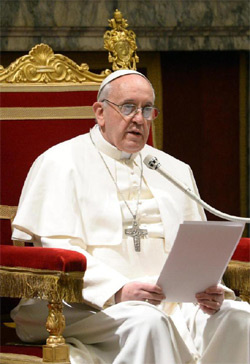

Oremus pro Pontifice nostro Francisco: Dominus conservet eum, et vivificet eum, et beatum faciat eum in terra, et non tradat eum in animam inimicorum eius.
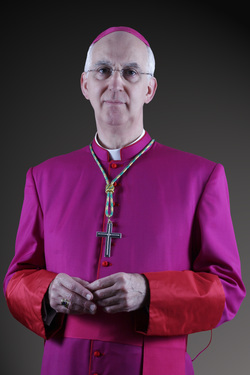

Omnipotens sempiterne Deus, qui facis mirabilia magna solus: praetende super famulos tuos, et super congregationes illis commissas, spiritum gratiae salutaris; et, ut in veritate tibi complaceant, perpetuum eis rorem tuae benedictionis infunde.
Any views expressed neither represent those of the Latin Mass Society or the Diocese of Wrexham.
Archives
August 2022
July 2022
June 2022
May 2022
April 2022
March 2022
February 2022
January 2022
December 2021
November 2021
October 2021
September 2021
August 2021
July 2021
June 2021
May 2021
April 2021
March 2021
February 2021
January 2021
December 2020
November 2020
October 2020
September 2020
August 2020
July 2020
June 2020
May 2020
April 2020
March 2020
February 2020
January 2020
December 2019
November 2019
October 2019
September 2019
August 2019
July 2019
June 2019
May 2019
April 2019
March 2019
February 2019
January 2019
December 2018
November 2018
October 2018
September 2018
August 2018
July 2018
June 2018
May 2018
April 2018
March 2018
February 2018
January 2018
December 2017
November 2017
October 2017
September 2017
August 2017
July 2017
June 2017
May 2017
April 2017
March 2017
February 2017
January 2017
December 2016
November 2016
October 2016
September 2016
August 2016
July 2016
June 2016
May 2016
April 2016
March 2016
February 2016
January 2016
December 2015
November 2015
October 2015
September 2015
August 2015
July 2015
June 2015
May 2015
April 2015
March 2015
February 2015
January 2015
December 2014
November 2014
October 2014
September 2014
August 2014
July 2014
June 2014
May 2014
April 2014
March 2014
February 2014
January 2014
December 2013
November 2013
October 2013
 RSS Feed
