THE LATIN MASS SOCIETY IN WREXHAM
  • Home
  • News Blog
  • About the Traditional Mass
    • Responsa Ad Dubia on certain provisions of the Apostolic Letter Traditionis Custodes issued “Motu Proprio”
    • Traditionis Custodes
    • The letter of Pope Francis accompanying Traditionis Custodes
    • CDF 2020 Decree on Saints and Prefaces
    • Universae Ecclesiae
    • Pope Benedict XVI's Letter to the Bishops
    • Summorum Pontificum
    • Holy Days of Obligation >
      • Exchange of Letters
      • LMS Press Release on Holy Days
      • Restoration of Holydays [2017]
    • Apostolic Letter, Sacrificium Laudis
    • Tips on attending the Extraordinary Form
    • Expressions of the Extraordinary Form
    • A quick guide to Mass classification
    • Latin Pronunciation
  • Wrexham Diocese
    • The Cathedral Church
    • About St Richard Gwyn
    • About St Winefride
    • Diocesan Feasts in the 1962 calendar
    • Gweddi dros Gymru
    • Gweddi ar Ddewi Sant
  • LMS Shop
  • Links

Quinquagesima Sunday

26/2/2022

0 Comments

 
Picture
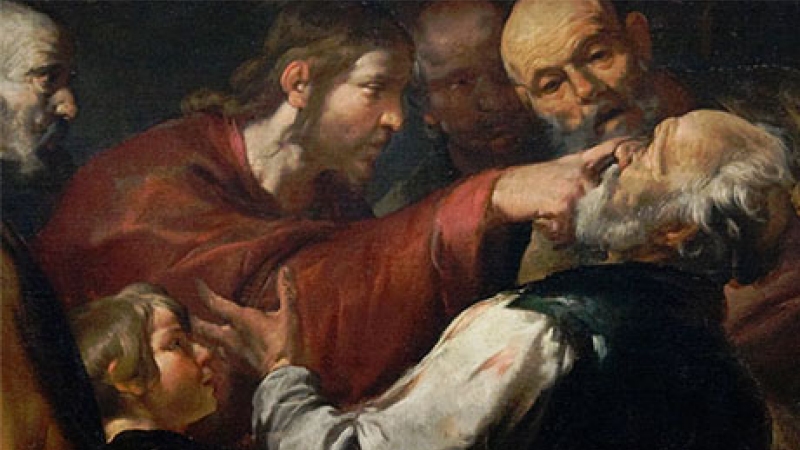
Factum est autem, cum appropinquáret Iéricho, cæcus quidam sedébat secus viam, mendícans.
As a prelude to Lent, Jesus announces, "We go to Jerusalem," city of the Great Sacrifice!

Yet, despite all His Teaching that suffering is necessary as expiation for sin, His followers were blind, they "understood not" (Gospel). Hence, He proceeds to strengthen their weakening faith by giving sight to a blind man because of his strong faith.

If faith is necessary to understand the meaning of Lenten penance, how much more necessary is charity, charity for God, charity for neighbour (Epistle). "For where there is love, there is no labour." The Introit, Prayer and Gradual inspire confidence in God as we are about to "go up" with Him. The Offertory expresses gratitude for faith and pleads for its increase. The Communion reflects on the charity of God as our model.

Today is Feast of St. Gabriel of Our Lady of Sorrows C., a model for youth, known for his great devotion to Our Lord and His Church. Although not commemorated in the Mass, using the Missale Romanum of 1962, pray to the Saint to help increase your own devotion.

0 Comments

An important development - FSSP Decree

21/2/2022

0 Comments

 
Picture
Last Friday, a delegation of the FSSP namely Fr. Benoît Paul-Joseph, Superior of the District of France, and Fr. Vincent Ribeton, Rector of St. Peter’s Seminary in Wigratzbad were received in private audience by the Holy Father, Pope Francis, for nearly an hour - it would appear that a fruitful discussion took place. One can only assume that similar will be applied to all the Ecclesia Dei communities.

Decree of Pope Francis confirming the use of the 1962 liturgical books
for the
Fraternity of Saint Peter
DECRETUM
Sanctus Pater Franciscus, omnibus et singulis sodalibus Instituti vitae consecratae “Fraternitas Sancti Petri » nuncupati, die 18 iulii 1988 erecti et a Sancta Sede pontificii iuris declarati, facultatem concedit celebrandi sacrificium Missae, sacramentorum necnon alios sacros ritus, sicut et persolvendi Officium divinum, iuxta editiones typicas librorum liturgicorum, scilicet Missalis, Ritualis, Pontificalis et Breviarii, anno 1962 vigentium.


Qua facultate uti poterunt in ecclesiis vel oratoriis propriis, alibi vero nonnisi de consensu Ordinarii loci, excepta Missae privatae celebratione.


Quibus rite servatis, Sanctus Pater etiam suadet ut sedulo cogitetur, quantum fieri potest, de statutis in litteris apostolicis motu proprio datis Traditionis Custodes.

Datum Romae, Sancti Petri, die XI mensis Februarii, in memoria Beatae Mariae Virginis de Lourdes, anno MMXXII, Pontificatus Nostri nono.

Franciscus

DECREE
The Holy Father Francis, grants to each and every member of the Society of Apostolic Life “Fraternity of Saint Peter”, founded on July 18, 1988 and declared of “Pontifical Right” by the Holy See, the faculty to celebrate the sacrifice of the Mass, and to carry out the sacraments and other sacred rites, as well as to fulfill the Divine Office, according to the typical editions of the liturgical books, namely the Missal, the Ritual, the Pontifical and the Roman Breviary, in force in the year 1962.

They may use this faculty in their own churches or oratories; otherwise it may only be used with the consent of the Ordinary of the place, except for the celebration of private Masses.

Without prejudice to what has been said above, the Holy Father suggests that, as far as possible, the provisions of the motu proprio Traditionis Custodes be taken into account as well.

Given in Rome, near St. Peter’s, on February 11, the Feast of Our Lady of Lourdes, in the year 2022, the ninth year of my Pontificate.

Francis

0 Comments

Sexagesima Sunday

20/2/2022

0 Comments

 
Picture
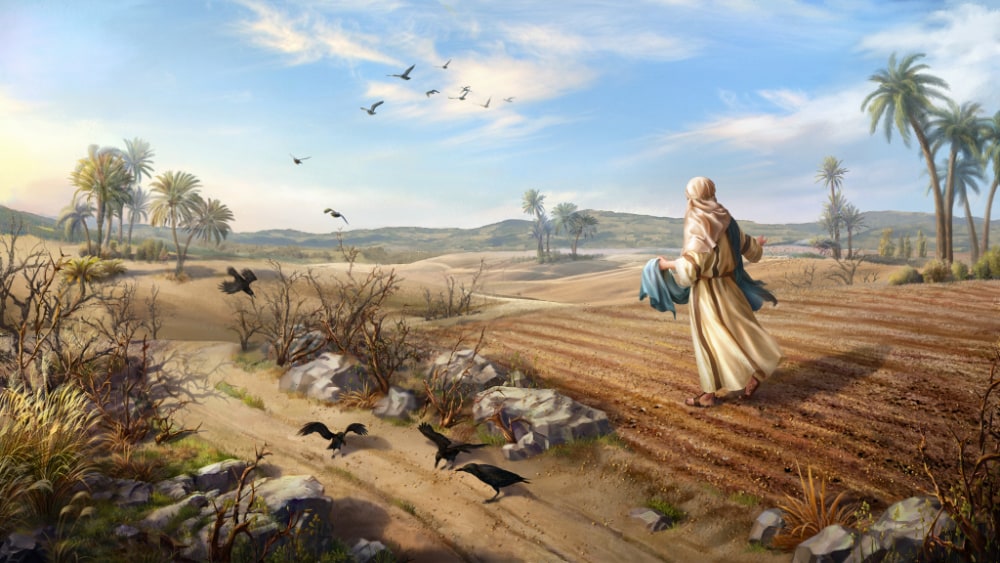
Exiit, qui séminat, semináre semen suum: et dum séminat
God has distributed His Word upon all men so that none should have a complaint of being shortchanged or not being given an opportunity. Those in the parable that were as the highway, or the rocks, or among thorns each received the Word of God with various, but unproductive, results. They received the same Word as those who were as good ground and produced fruit a hundred fold, or sixty fold, or thirty fold. There is nothing lacking on the part of God for these souls (soils). What is lacking or missing is the fault of the various souls not of God.

Even though these souls were undeserving and unworthy of receiving the Word of God, He gave it to them nonetheless. He has done more and gone further than any sower of seed would ever do. The man who goes out to sow seed, is careful that the seed not be wasted. He seeks to ensure that the seed does not fall on the road, or on rocks, or among thorns. His goal is to only put the seed in well prepared soil so that it will be most productive for all his efforts.

Jesus Christ has been exceedingly generous and abundant with His graces. All those who do not receive an abundance from His Word, have only themselves to blame.

We are also instructed that Jesus spoke in parables and therefore the hidden meaning of His words was not to be discovered by those who were unworthy. Thus we learn that we must not cast pearls before swine. Again, we wish to show that the meaning was hidden from them due to their own fault. If they were better prepared, or more receptive to the Word of God, then the meaning of the parables would be open to them also. All are given a super-abundance of opportunity. God's grace is there for those who will prepare and receive it. These souls are not lacking because God was lacking toward them. They are lacking because they have not cooperated with Him.

Sin and evil are not positive things, but are rather the lack of grace that should normally be present. When we sin we effectively close our eyes, and turn our backs to God. God's grace is all around us, yet It proves ineffectual for us because we have blocked Its entrance into our hearts and souls. The seed in today's parable was spread everywhere, it was all good seed. However, much of the soil that should have been receptive was not. What is required of the sinner, is not so much the removal of obstacles, but rather the opening of our hearts and minds to the voice of Christ — to hear His Word — to let His grace enter in.

If we will only imitate the Centurion's words: "Lord, only say the Word and my soul shall be healed." God can remove the hard pavement, the rocks, the thorns; if we will ask Him. We only need to open up our eyes to see, or to turn around. Instead of looking into darkness and shadows, if we only turn 180 degrees and face the Light, we will see, we will understand, we will fruitfully receive the graces that He so generously has spread all around us.

God does not intend that the sinner should return of himself. He knows very well that sinner can do nothing to save himself. So, God is willing to soften the soil of our souls if we ask Him. The only thing that is required of us, is that we stop resisting Him. Turn to the light and open our eyes and we will see. The brightness of the light may hurt at first, but we will soon adapt to the Light. Seeing the Light, we will see the empty spaces or voids in our souls, with His help we will beg of Him to fill them with His grace and He has promised to do so. "Ask and you shall receive."

If we accept this pain that the Light first inflicts upon our souls, that is, if we take up this cross for the love of Him; He will not only make it light, sweet, and a joy, but He Himself will help us to carry it. The truly difficult part He will do for us, if we will only allow it.

It is God's will and intention to lead us into the eternal happiness of Heaven; and He will accomplish this, if we will stop turning away from Him. His grace abounds all around us, let us turn to Him with open hearts and minds, and then it will take root and produce many-fold fruit.

0 Comments

The Season of Septuagesima

20/2/2022

0 Comments

 
Picture
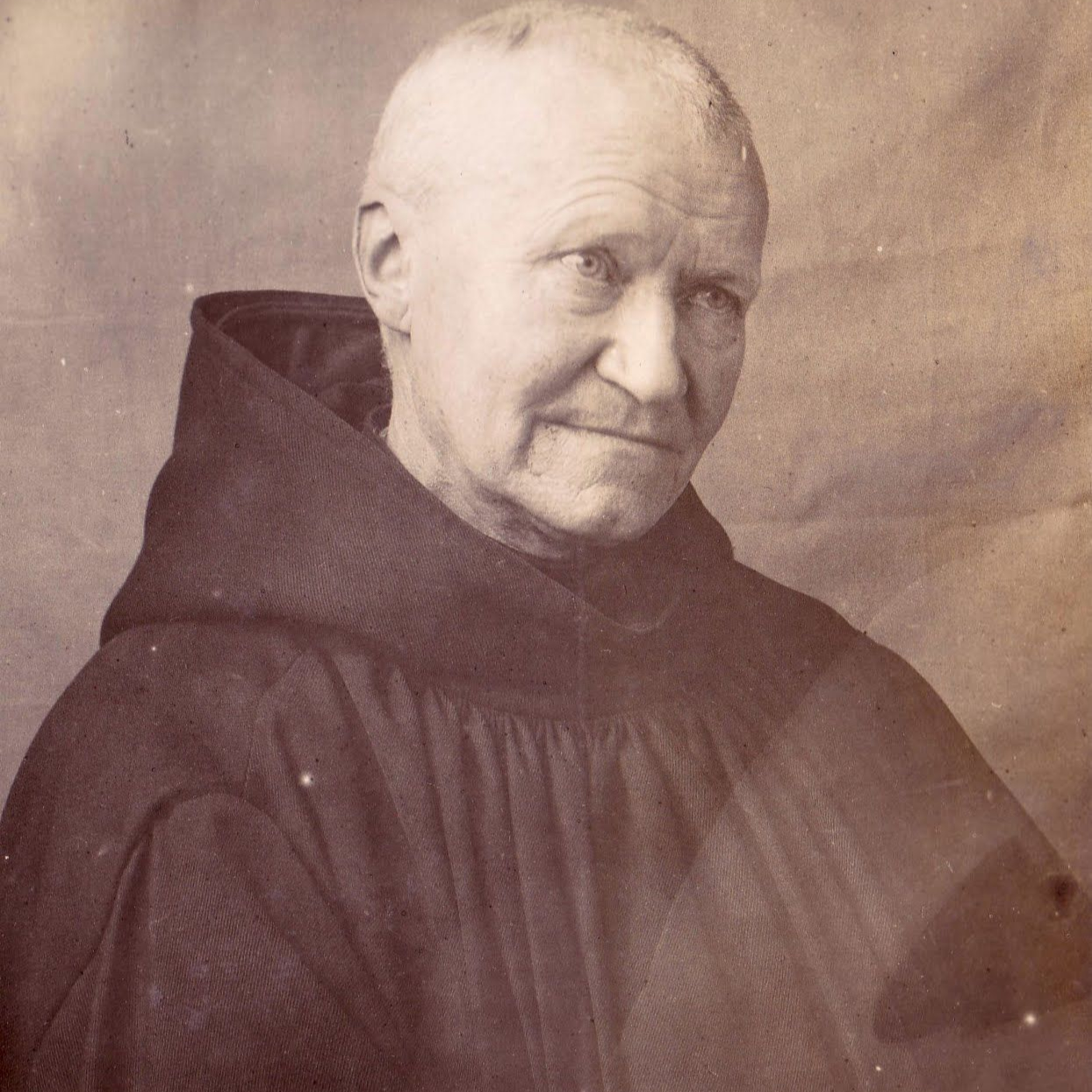
Dom Propser Guéranger
HE SEASON of Septuagesima comprises the three weeks immediately preceding Lent. It forms one of the principal divisions of the liturgical year, and is itself divided into three parts, each part corresponding to a week: the first is called Septuagesima; the second, Sexagesima; the third, Quinquagesima. All three are named from their numerical reference to Lent, which, in the language of the Church, is called Quadragesima, that is, Forty, because the great feast of Easter is prepared for by the holy exercises of forty days. The words Quinquagesima, Sexagesima, and Septuagesima, tell us of the same great solemnity as looming in the distance, and as being the great object towards which the Church would have us now begin to turn all our thoughts, and desires, and devotion.

Now, the feast of Easter must be prepared for by forty days of recollection and penance. Those forty days are one of the principal seasons of the liturgical year, and one of the most powerful means employed by the Church for exciting in the hearts of her children the spirit of their Christian vocation. It is of the utmost importance that such a season of grace should produce its work in our souls—the renovation of the whole spiritual life. The Church, therefore, has instituted a preparation for the holy time of Lent. She gives us the three weeks of Septuagesima, during which she withdraws us, as much as may be, from the noisy distraction of the world, in order that our hearts may be more readily impressed by the solemn warning she is to give us at the commencement of Lent by marking our foreheads with ashes.

This prelude to the holy season of Lent was not known in the early ages of Christianity: its institution would seem to have originated in the Greek Church. Besides the six Sundays of Lent, on which by universal custom the faithful never fasted, the practice of this Church prohibited fasting on the Saturdays likewise; consequently their Lent was short by twelve days of the forty spent by our Saviour doing penance in the desert. To make up for the deficiency, they were obliged to begin their Lent so many days earlier.

The Church of Rome had no such motive for anticipating the season of those privations which belong to Lent; for, from the earliest antiquity, she kept the Saturdays in Lent (and as often during the rest of the year as circumstances might require) as fasting days. At the close of the sixth century, St. Gregory the Great alludes, in one of his homilies, to the fast of Lent being less than forty days, owing to the Sundays which come during that holy season. “There are,” he says, “from this day (the first Sunday of Lent) to the joyous feast of Easter, six weeks, that is, forty-two days. As we do not fast on the six Sundays, there are but thirty-six fasting days ... which we offer to God as the tithe of our year.”

Commentary from The Liturgical Year by Dom Propser Guéranger (1805-1875).

0 Comments

Septuagesima Sunday

12/2/2022

0 Comments

 
Picture
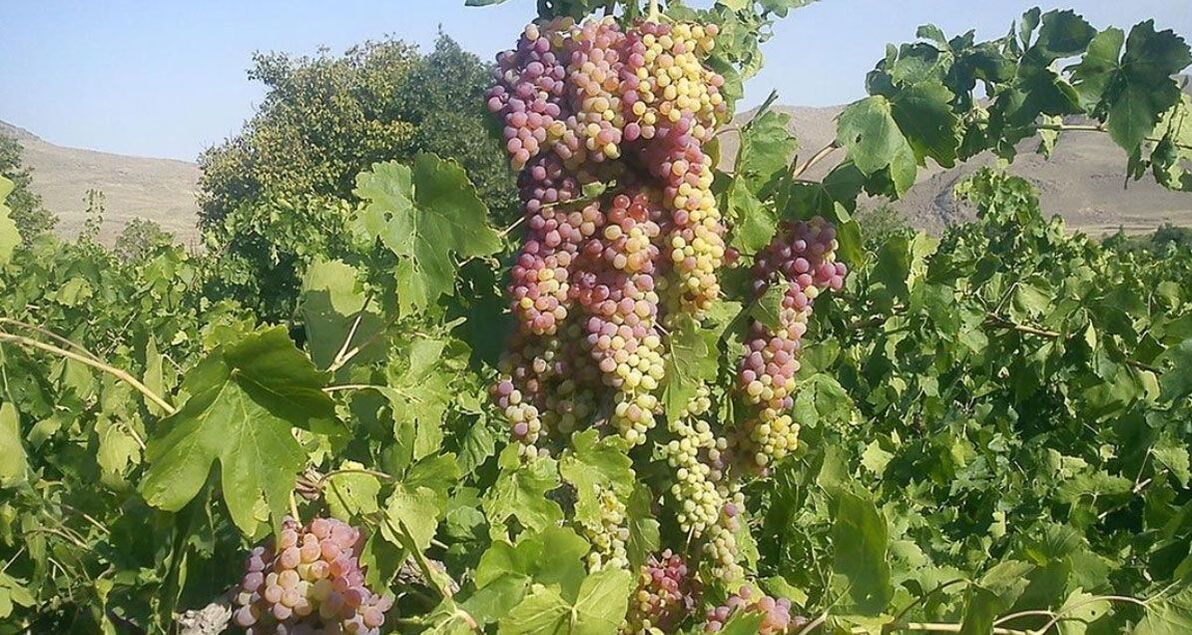
Dixit Iesus discípulis suis parábolam hanc: Simile est regnum coelórum hómini patrifamílias, qui éxiit primo mane condúcere operários in víneam suam.
"Our fathers were all under the cloud, and all passed through the sea. And all in Moses were baptised, in the cloud and in the sea; and they did all eat the same spiritual food, and all drank the same spiritual drink (and they drank of the spiritual rock that followed them, and the rock was Christ). But with most of them God was not well pleased."

God calls us all to work in His vineyard. He calls some early and some late, but we all have been called. And for all those who work in the vineyard each receives a reward for the labour that he has performed. Yet, as St. Paul has informed us in today's Epistle, with most of them God was not well pleased. In today's Gospel we see that those who worked the longest were not satisfied with their wages even though they did receive a just wage and a wage that they themselves had agreed upon. At the end of the day their fallen nature allowed envy to overcome them. They were dissatisfied that those who only worked one hour were given the same wage as they received.

These poor souls were unable to see the goodness of the master in giving to those who were in need of a day's wage that wage even though they were unable to work a full day. Their hearts were devoid of Charity. And because of this lack of Charity the wage that they did receive was robbed of its true value. They still had the material value that the day's wage possessed but, the spiritual value was eroded away by their envy, so that now they found no pleasure or joy in that which they had because they now saw that everyone had exactly what they had.

The vineyard of their hearts were not diligently kept free of weeds. They allowed vices to take root and grow in their hearts. A superficial "weeding" is never enough. Too many unsuccessful gardeners attempt to weed by merely breaking off the tops of the weeds and leaving the strong roots in the ground. They have the appearance of a good garden, but it is only an illusion. For now the weeds will come back stronger than ever and take even more nutrients from the soil. The tops will quickly grow up stronger and higher and rob the garden of sunlight. If we wish to be saved we must not spiritually garden like the rest of men. The majority are satisfied with a superficial spiritual life. The few, are never satisfied with superficiality but are constantly striving to root out every single vice from their hearts, even down to the smallest fibre. The obvious vices are not near as dangerous as vices that lie hidden deep in the soil of our hearts.

Our father's in the faith who left the slavery of Egypt and travelled forty years in the desert with Moses were likewise deprived of the spiritual value of their reward because they allowed their fallen nature to place obstacles in the way of the true practice of Charity. Therefore St. Paul clearly says that: "With most of them God was not well pleased." Out of the six hundred thousand Israelites who had gone out of Egypt, only two, Josue and Caleb, entered the promised land; all the others died in the desert.

This is truly a warning for us Christians. God loved the Israelites as His chosen people and showered every blessing upon them; He had called them all to enter into the delightful country of Canaan that overflowed with milk and honey. And yet, out of the six hundred thousand who at their departure from Egypt were already grown up, only two, Josue and Caleb, entered the Promised Land. What a small number! And why? Because they were ungrateful for God's graces and always relapsed into their former sins.

Such will be the lot of all "Christians" who do not avail themselves of the graces of God for their salvation; they will be excluded from the kingdom of heaven. And as, out of more than half a million of Israelites, only two entered the Promised Land, so only a few men and perhaps only a few Christians will go to Heaven. Christ emphatically says in the gospel of this day: "Many are called, but few are chosen." As the greater part of "Christians" do not live in the manner required for salvation, we need not wonder that by far the greater number will be lost.

If we wish not to be lost in the crowd of those who will be damned, but to be saved with the few, we must labour with zeal for our salvation. We must take the words of Jesus to heart: "The kingdom of Heaven suffereth violence, and the violent bear it away" (St. Matt. 11:12) Worldlings in pursuit of temporal and transitory good spare neither pains nor labour. To this extent we must take them for our pattern. Let us look upon the saints of God also. Let their heroic example animate us. Like them, let us work and go on working with courage and perseverance. Heaven is worth it all.
0 Comments

Fifth Sunday after Epiphany

5/2/2022

0 Comments

 
Picture
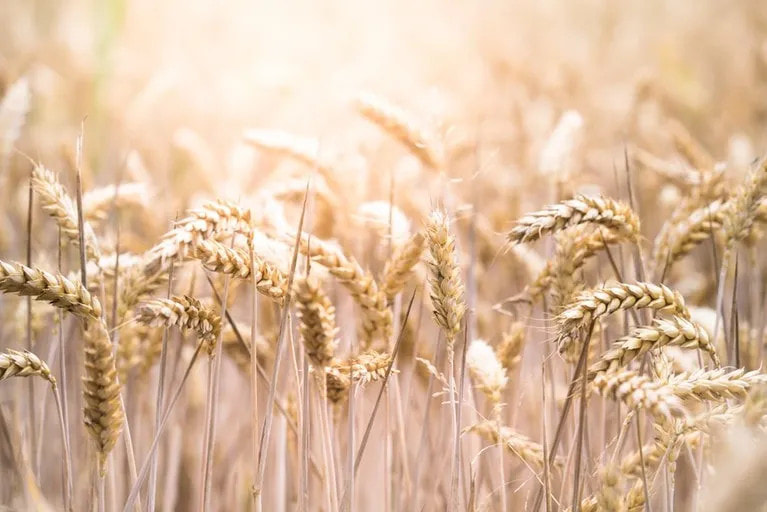
The theme for today’s Holy Mass considers a question that we all ask, “Where does evil come from?” O God, “didst thou not sow good seed in Thy field” of this world? “Whence then hath it cockle?” (Gospel).

The answer to this comes from God, “An enemy hath done this.” Hence, when we cry for the rooting out of evildoers to ourselves or to the Church, it would be well to study the remaining verses of this Gospel. The Epistle also indicates how to conquer the cockle of evil with the good seed of patience, brotherly love, persevering prayer and constant union with Jesus, Who knows “how to keep His family in goodness” (Prayer).

Through the Sacrifice of the Mass (Secret) and the graces of the Eucharist (Postcommunion). The way to solve the problem of evil in and around you is to “let the word of Christ (that is the good seed) dwell in you abundantly” (Epistle).

Today is Feast of St. Titus E. C., who St. Paul regarded as his brother and beloved disciple, who accompanied the Apostle on several of his journeys. St. Paul appointed St. Titus Bishop of Corinth then made him Bishop of Crete. St. Titus penned an Epistle concerning the dignity and duties of a Bishop. He died at age 94 in 105. Commemoration in the Mass is St. Dorothy V. M., who died by beheading in Cappadocia at the beginning of the IV Century. Although not commemorated in the Mass using the 1960 rubrics, pray to the Saints to bring about truth and holiness to our world.
0 Comments
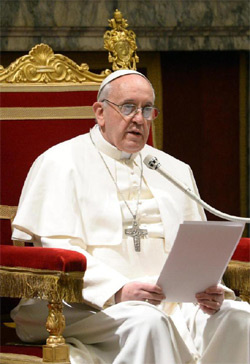
    Pope Francis
    Picture
    Oremus pro Pontifice nostro Francisco: Dominus conservet eum, et vivificet eum, et beatum faciat eum in terra, et non tradat eum in animam inimicorum eius.


    Picture
    Picture
    Omnipotens sempiterne Deus, qui facis mirabilia magna solus: praetende super famulos tuos, et super congregationes illis commissas, spiritum gratiae salutaris; et, ut in veritate tibi complaceant, perpetuum eis rorem tuae benedictionis infunde.


    Any views expressed neither represent those of the Latin Mass Society or the Diocese of Wrexham.

    Archives

    August 2022
    July 2022
    June 2022
    May 2022
    April 2022
    March 2022
    February 2022
    January 2022
    December 2021
    November 2021
    October 2021
    September 2021
    August 2021
    July 2021
    June 2021
    May 2021
    April 2021
    March 2021
    February 2021
    January 2021
    December 2020
    November 2020
    October 2020
    September 2020
    August 2020
    July 2020
    June 2020
    May 2020
    April 2020
    March 2020
    February 2020
    January 2020
    December 2019
    November 2019
    October 2019
    September 2019
    August 2019
    July 2019
    June 2019
    May 2019
    April 2019
    March 2019
    February 2019
    January 2019
    December 2018
    November 2018
    October 2018
    September 2018
    August 2018
    July 2018
    June 2018
    May 2018
    April 2018
    March 2018
    February 2018
    January 2018
    December 2017
    November 2017
    October 2017
    September 2017
    August 2017
    July 2017
    June 2017
    May 2017
    April 2017
    March 2017
    February 2017
    January 2017
    December 2016
    November 2016
    October 2016
    September 2016
    August 2016
    July 2016
    June 2016
    May 2016
    April 2016
    March 2016
    February 2016
    January 2016
    December 2015
    November 2015
    October 2015
    September 2015
    August 2015
    July 2015
    June 2015
    May 2015
    April 2015
    March 2015
    February 2015
    January 2015
    December 2014
    November 2014
    October 2014
    September 2014
    August 2014
    July 2014
    June 2014
    May 2014
    April 2014
    March 2014
    February 2014
    January 2014
    December 2013
    November 2013
    October 2013

    RSS Feed

Powered by Create your own unique website with customizable templates.